Let me take you back to when I first dipped my toes into the world of art and digital. I was at a museum, staring at a large-scale digital installation, watching pixels form and dissolve into a mesmerizing visual symphony. It was like witnessing a living, breathing painting that changed with every viewer’s gaze. Digital technology transformed traditional concepts of art, blurring the lines between artist and technology.
The digital realm, once seen as the antithesis of traditional artistry, had now become a canvas, a tool, and even a co-creator. Intrigued by this fusion, I dove deeper into how digital technology is shaping the art world, and today, I want to share my findings with you.
What is Art and Digital?
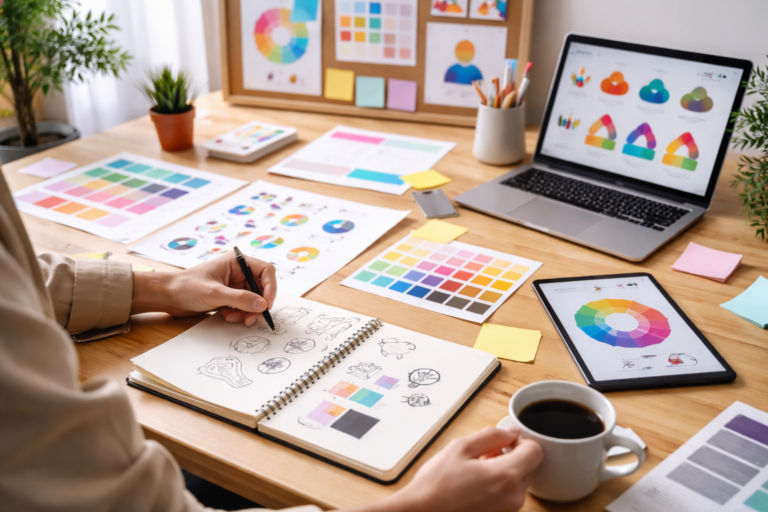
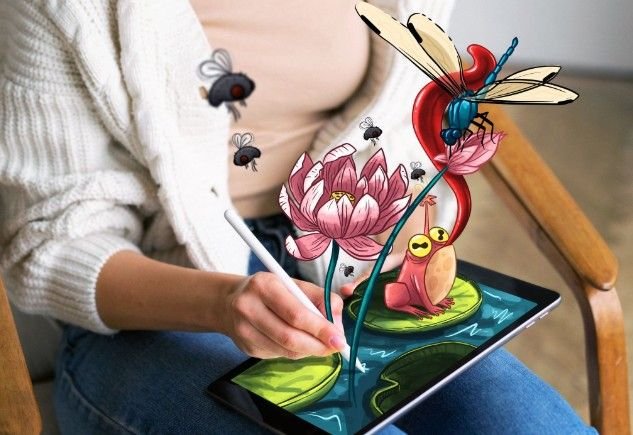
At its core, art and digital is a revolutionary blend of creativity and technology. It’s a space where artists use digital tools, not just as instruments, but as active components of the art itself. Traditional forms of art have always been bound by the tangible — a canvas, clay, or stone. But in the digital era, the boundaries of creation are limitless. Digital art allows artists to explore new realms, where the traditional techniques of drawing or painting are enhanced by virtual tools, infinite color palettes, and the ability to “undo” mistakes. This flexibility creates a new kind of artistic freedom, which traditional art doesn’t always provide.
Is Digital Art a New Medium or Just a Tool?
A common debate in the art and digital space is whether digital tools should be viewed as a medium or merely a tool for creating traditional art. The distinction is important. Digital technology used simply as a tool. Such as editing a photograph or digitizing a painting—is not inherently “digital art” but rather an enhancement of existing forms.
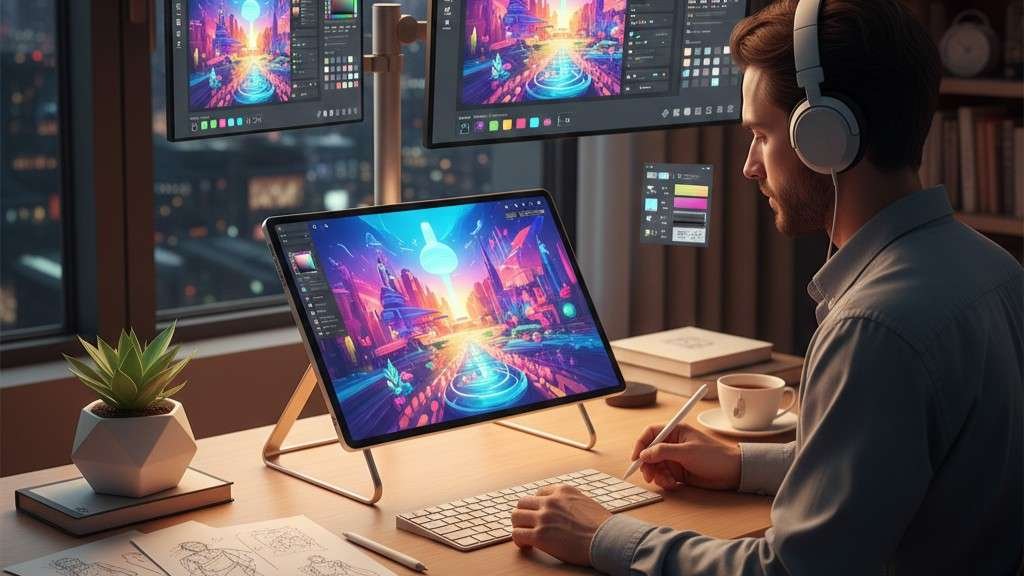
However, when technology itself becomes the medium—allowing artists to generate works through algorithms, artificial intelligence (AI), or interactive installations—that’s when we venture into the true realm of digital art.
The Growing Popularity of Digital Art
Why is Digital Art Gaining Traction?
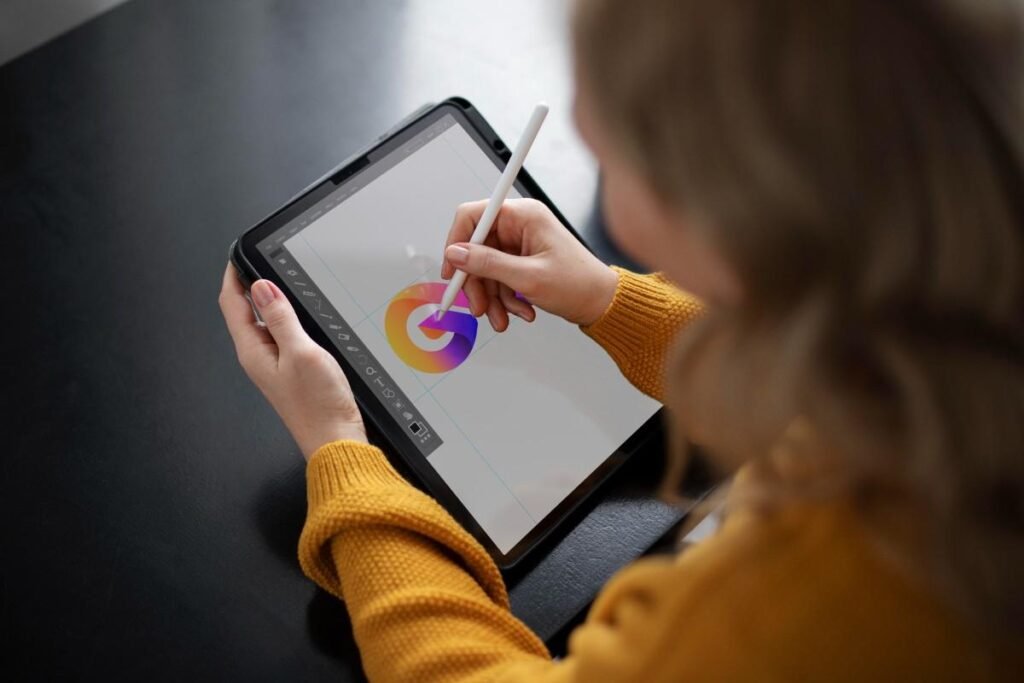
Digital art is no longer a niche form of expression; it’s rapidly becoming a dominant force in the contemporary art world. Why? One key reason is accessibility. Unlike traditional artworks that often rely on galleries and physical exhibitions for exposure. It can be shared globally within seconds through platforms like Instagram, DeviantArt, and even NFT marketplaces.
This instant accessibility allows artists to reach broader audiences, democratizing the art world in ways that were never possible before. Plus, it often doesn’t require the expensive materials and physical space that traditional art demands.
The Role of NFTs in Digital Art
Non-Fungible Tokens (NFTs) have brought an entirely new dimension to this form of art. By providing a verifiable, blockchain-based certificate of ownership, NFTs address one of the biggest challenges digital art faces: authenticity. In the past, digital works could be easily replicated and distributed without any sense of uniqueness, leading to debates about the value and originality of digital creations. NFTs have helped resolve this by allowing artists to sell their work with proof of ownership, giving digital art a place in the high-end art market.
How to Get Started with Art and Digital?
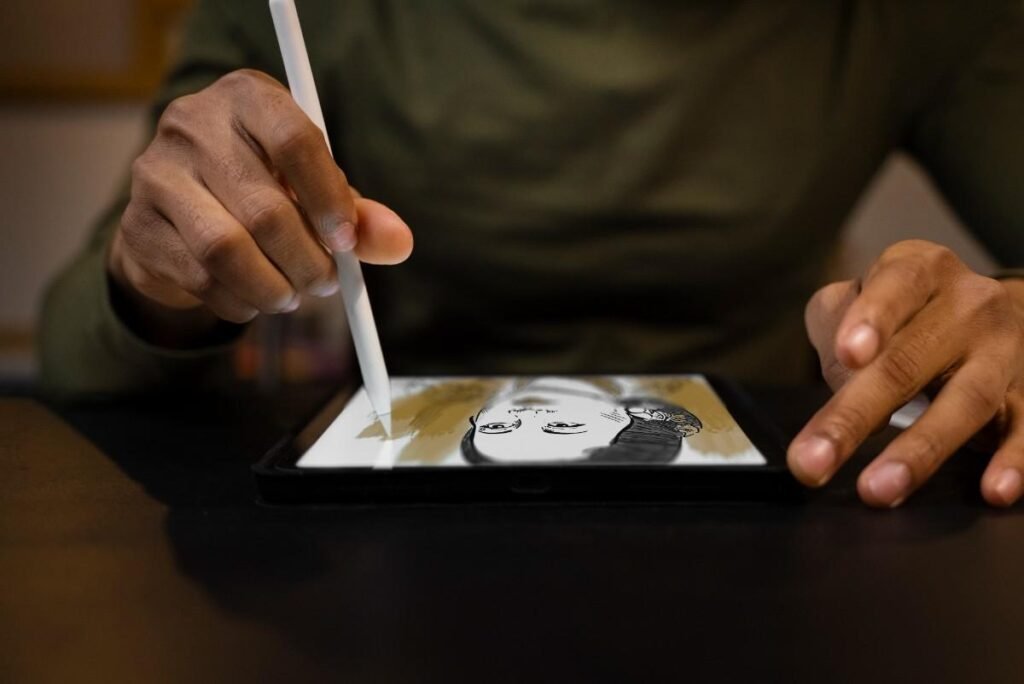
You might be wondering, “Do I need to be a tech whiz to create digital art?” Absolutely not! You don’t need to be a seasoned programmer or graphic designer to get started. The beauty of digital tools is their accessibility. Whether you’re a complete beginner or a seasoned artist, digital platforms offer something for everyone. There are plenty of free or low-cost software options like Krita or Procreate that are beginner-friendly, while more advanced platforms like Adobe Photoshop or Corel Painter allow experienced creators to experiment with different mediums.
Step-by-Step Guide to Creating Your First Digital Artwork
- Choose Your Software: Start with a simple and intuitive platform. Procreate, for instance, is user-friendly and widely used by digital artists.
- Set Up Your Canvas: Once your software is ready, choose the size and resolution for your canvas. For beginners, it’s best to start small — maybe 8×10 inches at 300 DPI.
- Sketch Your Idea: Use the pencil tool to create a rough sketch of your artwork. Don’t worry about precision just yet; this is just a guideline for your final design.
- Outline and Refine: Once you’re happy with your sketch, go over it with a finer pen tool. At this stage, you’ll want to use clean lines to define your artwork clearly.
- Add Color and Shading: Now comes the fun part! Fill in your drawing with color, playing with different brushes, textures, and layers. Digital tools allow you to experiment with different effects, so don’t be afraid to try new things.
- Finishing Touches: Add final details, such as textures, gradients, or lighting effects, to bring your piece to life. Adjust the layers and experiment with the opacity until you’re happy with the result.
Frequently Asked Questions
1. Can Digital Art Be Printed?
Yes! Digital art can be printed just like traditional art. From affordable posters to high-end canvas prints, digital works can be framed and displayed in galleries, homes, or offices. Printing options allow digital art to transition from the screen to physical spaces.
2. Is Digital Art Considered “Real” Art?
Yes, digital art is just as real as any other form of art. It requires skill, creativity, and technical knowledge. Many celebrated digital artists, like Beeple, have made significant contributions to the art world using technology.
3. How Do I Protect My Digital Art from Theft?
To protect your digital art, watermark your work or use NFTs to prove ownership. Licensing your art through platforms can also give you control over how it’s used while generating income.
4. What Are NFTs, and How Do They Work in Digital Art?
NFTs (Non-Fungible Tokens) are digital ownership certificates stored on the blockchain. They verify the authenticity of digital art, allowing artists to sell one-of-a-kind pieces while ensuring buyers have proof of ownership.
Embrace the Future of Art and Digital
Art and digital may seem like two worlds apart at first glance, but they’ve come together in ways that are transforming the art landscape. Whether you’re a beginner testing out digital tools or an experienced artist embracing new technology, there’s never been a better time to dive into the world of art. The fusion of creativity and technology is only going to grow, and as an artist, you have the opportunity to shape this future.
Final Tip: Don’t be afraid to experiment and make mistakes. With digital tools, every “mistake” is just another opportunity to explore new creative possibilities. So, grab your tablet, try out a new technique, and let your creativity run wild — the digital world is your canvas!