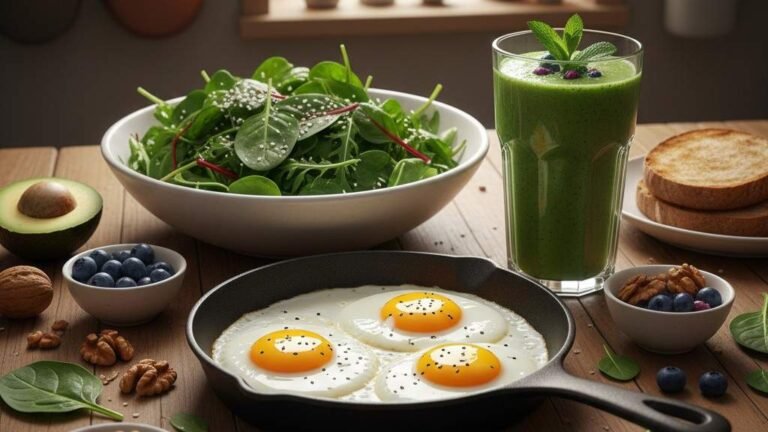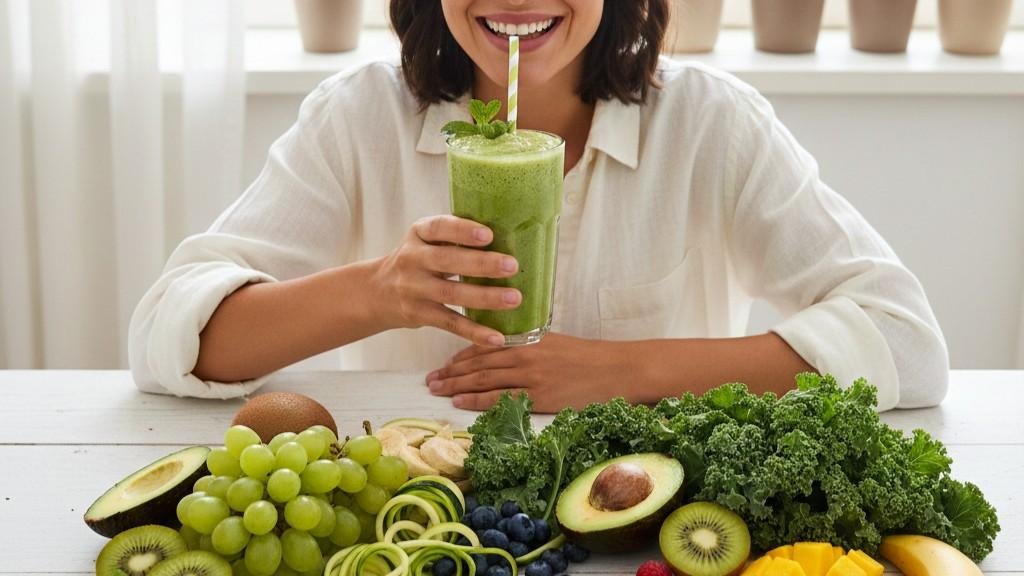
A few years ago, I made my first smoothie and thought I had unlocked the key to a healthier lifestyle. I threw in some bananas, berries, and a generous splash of juice, blended it up, and felt pretty proud of myself. But then I took a closer look at the sugar content, and reality hit. That’s when I asked myself: Are smoothies healthy, or am I just drinking a sugar bomb disguised as a meal?
My so-called “health drink” was more sugar-laden than I realized. If you’ve ever found yourself asking the same question, don’t worry. You’re not alone. Smoothies can be an amazing source of nutrients when done right, but they can also be deceptively unhealthy if you’re not careful about what goes in them.
What Makes a Smoothie Healthy?
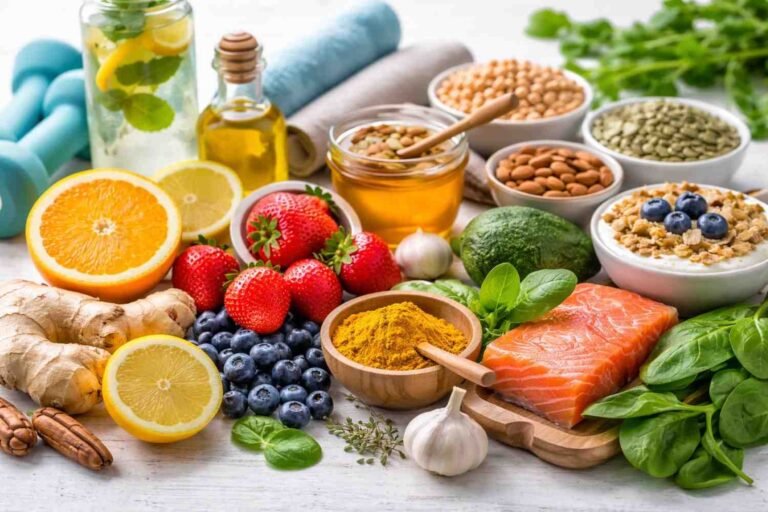
When it comes to smoothies, the secret to making them healthy lies in choosing the right ingredients. A healthy smoothie isn’t just about throwing together some fruits and calling it a day. It’s about balance. You need to focus on nutrient-dense, whole ingredients, rather than relying on sugary juices or processed add-ins.
Start by using a whole food base like fresh fruits and vegetables, such as leafy greens, berries, or citrus fruits. Avoid fruit juices, which often contain added sugars. Next, make sure you add some protein—whether it’s from Greek yogurt, protein powder, or tofu—to keep you full
Fiber-rich ingredients like flaxseeds, chia seeds, or oats are also great additions to help with digestion. Finally, don’t forget the healthy fats! A spoonful of nut butter, avocado, or seeds will make your smoothie more satisfying and nutritious.
Are Smoothies Healthy?
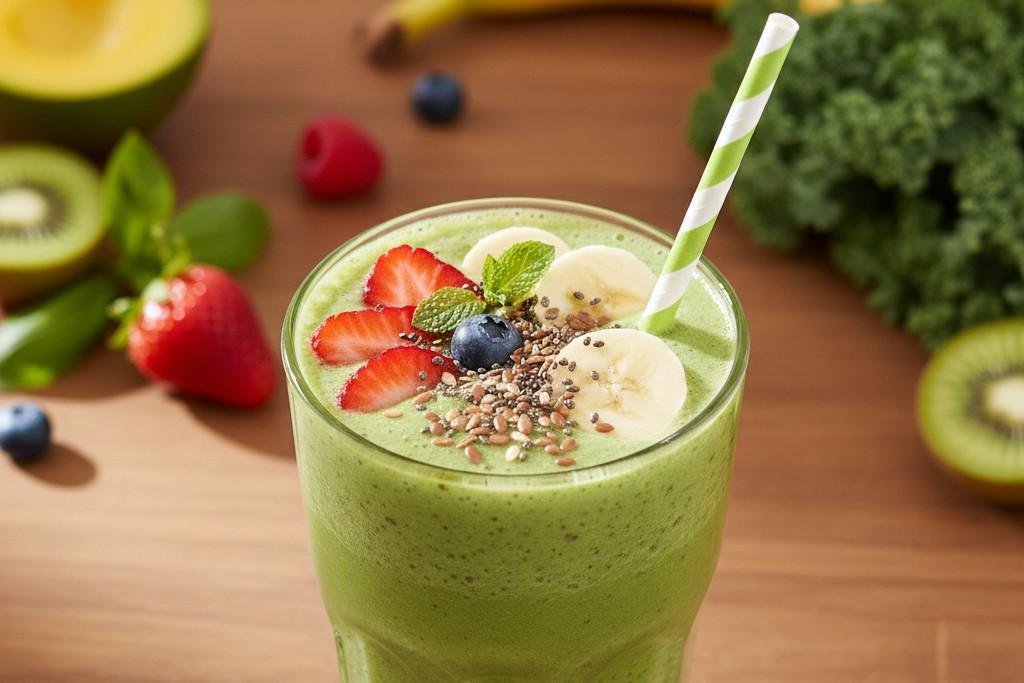
Not all smoothies are healthy, and it’s easy to go astray. While a homemade smoothie can be packed with nutrients, many store-bought options or smoothie shop creations are loaded with hidden sugars, syrups, and other unhealthy ingredients. Some smoothies may even contain more sugar than a can of soda!
To make sure your smoothie is truly healthy, focus on natural, whole ingredients. Stick to fruits and vegetables that provide a range of best vitamins for energy. As well as minerals and antioxidants. Avoid adding sugars, flavored yogurts, or syrupy fruit juice concentrates. A smoothie can be healthy when you balance it with fiber, protein, and healthy fats, but if you pack it with too much fruit or add-ins, it can quickly become a high-calorie snack that doesn’t serve your body well.
How to Make a Healthy Smoothie: A Step-By-Step Guide
So now that I’ve answered your query of “are smoothies healthy?’ It’s time you make one. Making a healthy smoothie at home is not only easy, but it also ensures you’re in control of the ingredients. Here’s a simple guide to creating the perfect smoothie:
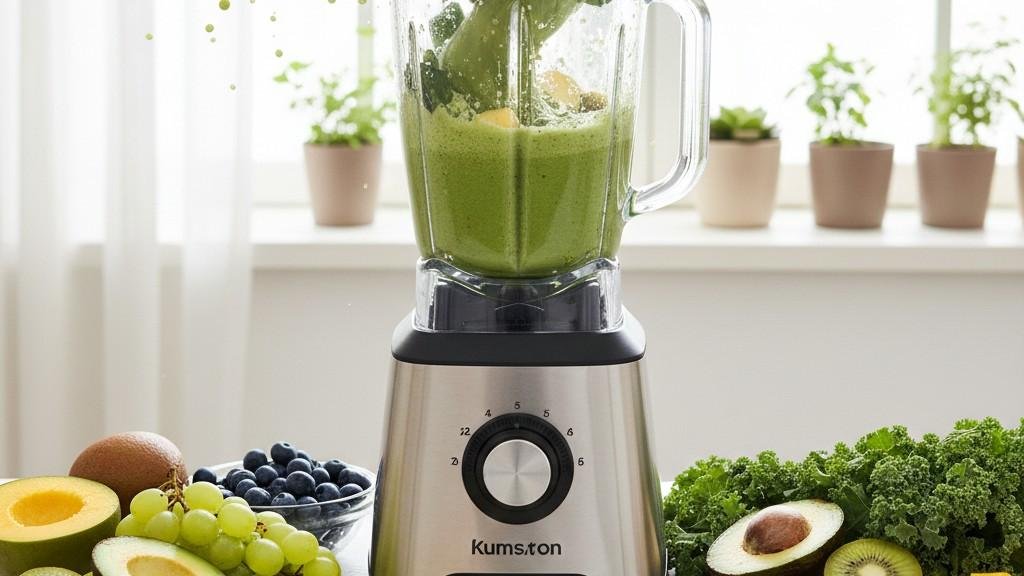
Step 1: Choose Your Base
Start by picking a liquid base. For a low-calorie option, go with unsweetened almond milk or coconut water. If you’re looking for something creamy, Greek yogurt or unsweetened kefir is an excellent choice. The base should set the tone for the texture and taste of your smoothie.
Step 2: Add Fruits & Veggies
Next, it’s time to add your fruits and vegetables. Berries like strawberries, blueberries, and raspberries are great low-sugar choices that are high in antioxidants. If you want to sneak in some veggies, spinach or kale are great options. Don’t worry, the sweetness of the fruit will mask the taste of the greens.
Step 3: Add Protein
Protein is essential for making your smoothie more filling. Choose Greek yogurt, protein powder, or even tofu as your protein source. Protein helps keep you full longer and gives you sustained energy, making your smoothie a complete meal or snack.
Step 4: Include Healthy Fats
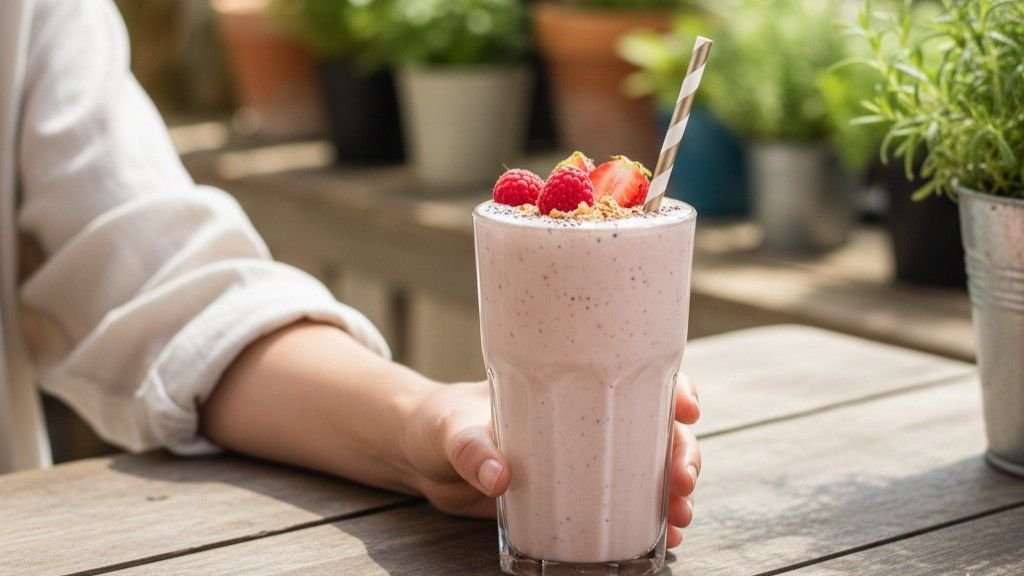
For creaminess and satiety, add healthy fats to your smoothie. Consider almond butter, peanut butter, or avocado. Healthy fats support brain health, digestion, and help slow down the absorption of sugar, keeping your blood sugar levels stable.
Step 5: Boost with Fiber & Flavor
Finally, toss in some fiber for digestive support. Add chia seeds, flax seeds, or rolled oats. For flavor, sprinkle in a pinch of cinnamon or a splash of vanilla extract. If you like it sweet, stevia or a drizzle of raw honey will do the trick without the sugar overload.
Frequently Asked Questions About Smoothies
1. Can Smoothies Help With Weight Loss?
Yes, smoothies can be a great addition to your weight loss plan! When made with the right ingredients, they can provide a balanced mix of nutrients without excessive calories. The key to weight loss is to make sure your smoothies are low in sugar and rich in protein and fiber. Protein helps to keep you full, and fiber slows the absorption of sugar, preventing blood sugar spikes. Just be careful with portions and avoid adding too many high-calorie ingredients like large amounts of nut butters or avocado.
2. Are Smoothies a Good Breakfast Option?
Absolutely! Smoothies make a great breakfast because they’re quick to prepare and can be packed with everything you need to start the day off right. Add protein, healthy fats, and fiber to keep you full until lunch. However, be sure to balance the ingredients, or you may find yourself hungry again before you know it. Stick to an 8- to 12-ounce serving for a snack or up to 16 ounces if you want it to replace a meal.
3. Are Green Smoothies Really That Good for You?
Green smoothies can be an excellent choice, especially if you’re trying to get more vegetables into your diet. Spinach and kale are rich in vitamins and minerals, including iron and calcium. While green smoothies are healthy, be mindful of how much fruit you add, as it can quickly turn into a sugar overload. Balance your greens with low-sugar fruits like berries to maintain a nutrient-dense, well-rounded smoothie.
4. Are Smoothies Healthy and Ahead of Time?
Yes, you can make smoothies ahead of time! In fact, prepping them in advance can save you time during busy mornings. The trick is to prep smoothie bags with your fruits, veggies, and dry ingredients (minus the liquid) and store them in the freezer. When you’re ready to drink it, just add your liquid base and blend. Smoothies can stay fresh in the fridge for up to 24 hours, but they taste best when consumed immediately for maximum nutrition.
Sip Smart and Get Blending!
So, are smoothies healthy? The answer is: it depends. Smoothies can be an amazing, nutrient-packed addition to your diet if you’re mindful of the ingredients. The next time you crave something refreshing and nourishing, blend up a smoothie full of fruits, vegetables, protein, healthy fats, and fiber. But remember, smoothies can be deceptively unhealthy if you overload them with sugars or high-calorie ingredients. Sip smart, make your smoothies with intention, and enjoy the health benefits!
If you want to make sure you’re making the healthiest smoothie possible, keep it simple, balanced, and full of natural ingredients. Happy blending!