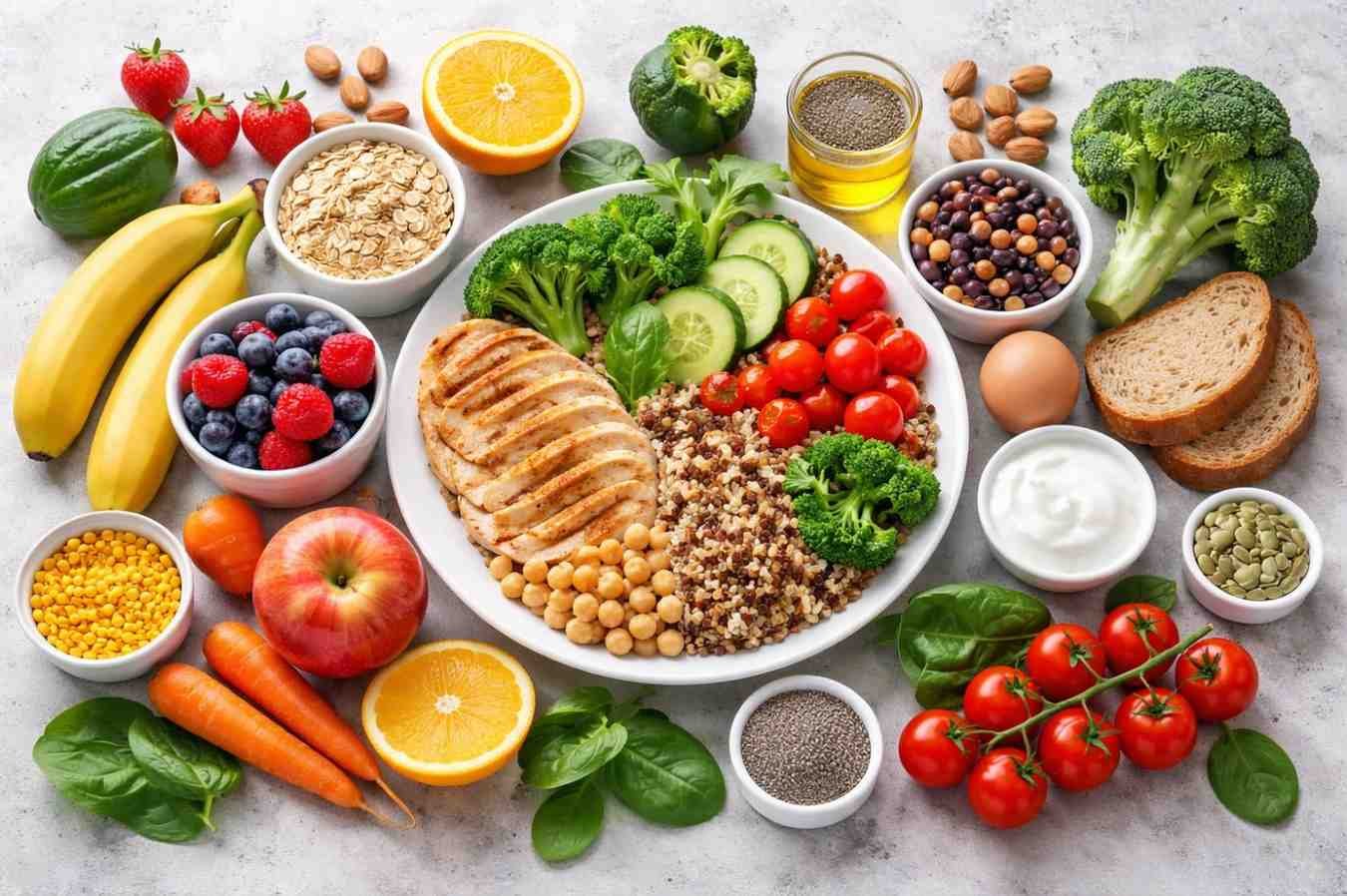
If you prepare imaginatively, shop sensibly, and plan ahead, you can take care of your body in 2026 without going over budget. Whether your objectives are to eat better, lose weight, or simply save money, maintaining a balanced diet doesn’t have to be costly.
In this book, I’ll walk you through tried-and-true methods for budget-friendly meal planning, wise purchasing, and grocery budget maximization. Let’s get started now!
Why Eating Healthy on a Budget Is Important?
Maintaining a balanced diet is essential for your overall health, energy, and well-being. The good news is that eating nutritious food doesn’t have to be expensive. In fact, with a few tweaks to your habits, you can eat wholesome, nutritious meals every day without spending too much. The key is knowing how to shop smart and choose nutrient-dense foods while minimizing waste.
1. Strategic Meal Planning: Start With What You Have
Meal planning is the cornerstone of eating on a budget. It helps prevent impulse buys and ensures you only purchase what you need. Here’s how to get started:
- Inventory First: Before heading to the store, check your pantry, fridge, and freezer. Use up ingredients you already have to avoid buying duplicates.
- Plan Around Sales: Use store flyers, apps, or websites to identify discounts. Build your weekly menu around discounted items and in-season produce.
- The 5-4-3-2-1 Method: Simplify your shopping by purchasing five vegetables, four fruits, three proteins, two sauces/spreads, and one grain. This method ensures variety without overcomplicating things.
- Cook in Batches: On weekends, cook large portions of meals like soups, stews, or casseroles. Freeze individual servings for easy, budget-friendly meals throughout the week.
2. Smart Shopping Strategies to Stretch Your Budget
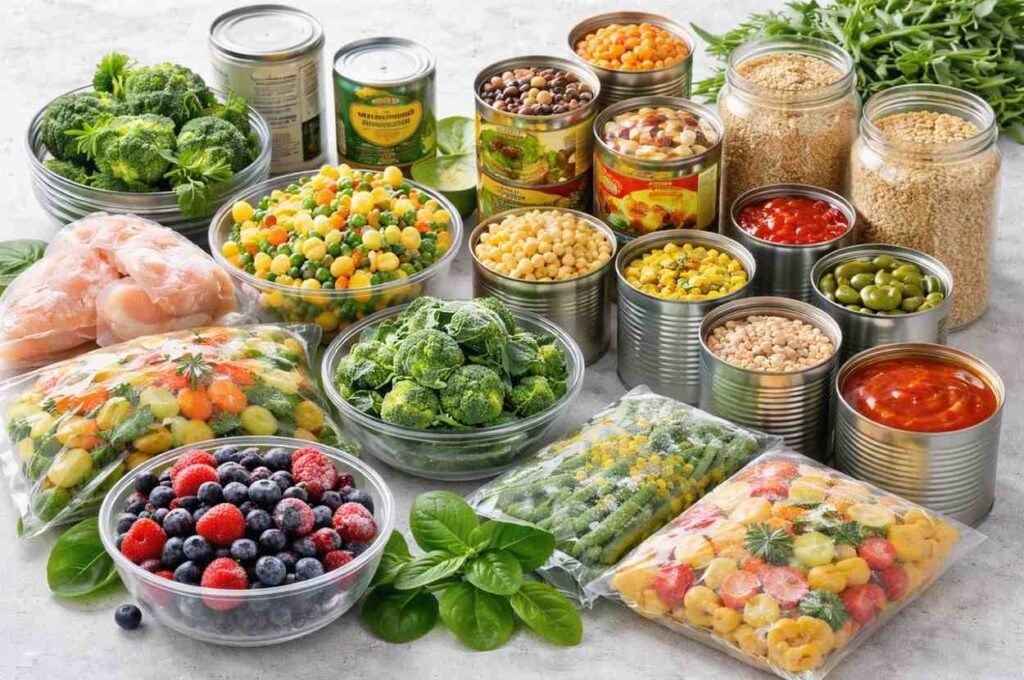
Smart shopping is crucial when it comes to maintaining a balanced diet without spending too much. Follow these budget-friendly shopping strategies:
- Prioritize Frozen and Canned Foods: Frozen fruits and vegetables retain their nutrients and often cost less than fresh produce. Choose canned items packed in water or 100% juice for a healthier option.
- Buy Staples in Bulk: Items like brown rice, oats, lentils, and dried beans are affordable and last a long time when bought in bulk. These staples form the foundation of a budget-friendly, balanced diet.
- Shop Seasonally: Fresh produce is more affordable when it’s in season. Check your local farmer’s market for seasonal produce deals.
- Compare Unit Prices: Look at the “price per weight” (e.g., per 100g) to find the best value, rather than simply choosing the cheaper package.
- Choose Store Brands: Generic brands often have the same nutritional profile as name brands but at a fraction of the cost.
Pro Tip: Use store apps or websites to keep track of discounts, compare prices, and find coupons for even better deals.
3. Budget-Friendly Nutrient Sources: Eating Well on Less
You don’t have to break the bank to get the nutrients your body needs. Here are some budget-friendly, nutrient-dense foods to stock up on:
- Plant-Based Proteins: Beans, lentils, chickpeas, and tofu are excellent sources of plant-based protein and fiber, and they’re significantly cheaper than meat.
- Affordable Animal Proteins: Eggs and canned oily fish like sardines or mackerel provide essential nutrients at a low cost.
- Whole Grains: Oats, brown rice, and whole-wheat pasta are rich in fiber and provide long-lasting energy, making them a great base for meals.
- Cheap Fresh Staples: Carrots, potatoes, cabbage, bananas, and apples are versatile, nutrient-rich foods that won’t drain your wallet.
4. Reducing Waste and Hidden Costs

One of the most effective ways to maintain a balanced diet on a budget is to reduce food waste. By using what you already have and repurposing leftovers, you can save money and eat healthier. Here are some waste-reducing tips:
- Limit Processed Foods: Pre-packaged snacks and convenience meals tend to be expensive and high in sodium and sugar. Preparing meals from scratch is both healthier and cheaper.
- Repurpose Leftovers: Leftover roasted vegetables can be turned into a hearty soup, and extra rice can be added to salads or stir-fries. Get creative with your leftovers!
- Drink Tap Water: Avoid the cost of sodas and bottled juices. Tap water is free, hydrating, and much healthier. Use a reusable water bottle to stay hydrated throughout the day.
Pro Tip: Freeze leftover vegetables or cooked grains so they don’t go to waste. You can always use them in soups, stews, or smoothies later.
Frequently Asked Questions (FAQs)
1. What are the cheapest healthy foods?
Some of the most affordable healthy foods include:
- Beans and lentils
- Oats and brown rice
- Eggs and canned fish
- Frozen vegetables
- Seasonal produce
2. How can I eat healthy with a family on a budget?
Meal planning and batch cooking are essential when feeding a family on a budget. Prepare large portions of family-friendly meals like casseroles or pasta dishes, and freeze leftovers for later.
3. Can I still eat healthy if I’m on a very tight budget?
Yes! With careful meal planning, buying in bulk, and focusing on affordable sources of protein and whole grains, you can maintain a healthy diet without breaking the bank.
4. How do I make my meals last longer?
Make larger portions and freeze leftovers. Cook once, eat twice (or more!) by storing extras in portioned containers for easy meals later.
Eat Well Without Breaking the Bank
Being strategic is key to keeping a balanced diet on a tight budget. You may eat healthily and save money by organizing your meals, purchasing wisely, and emphasizing nutrient-dense foods. Gradually incorporate a few of these suggestions into your daily routine, starting small. Eating healthily on a budget will become second nature to you with time, allowing you to enjoy tasty, nourishing meals without worrying about going over budget.