Maintaining general health and defending your body against disease depend on having a robust immune system. It’s crucial to understand how to increase immunity naturally, whether you want to improve your immunity all year round or stay healthy during flu season. You can improve your immune system in 2026 by adopting regular lifestyle practices—no band-aid solutions, simply long-term adjustments.
I’ll explain how to boost immunity naturally in this blog by emphasizing healthy eating, sleep, exercise, stress reduction, and other lifestyle practices. Let’s begin with these recommendations supported by science!
Why Does Immune Health Matters?
Your immune system plays a critical role in defending your body from harmful pathogens like bacteria, viruses, and toxins. A strong immune system allows you to recover more quickly from illnesses and lowers your risk of chronic diseases like diabetes, heart disease, and cancer.
The good news is that boosting immunity naturally is possible. By making a few key adjustments to your diet, exercise routine, and daily habits, you can support your immune function and improve overall health.
1. Optimize Your Nutrition for a Stronger Immune System
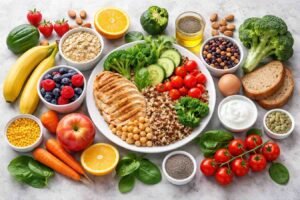
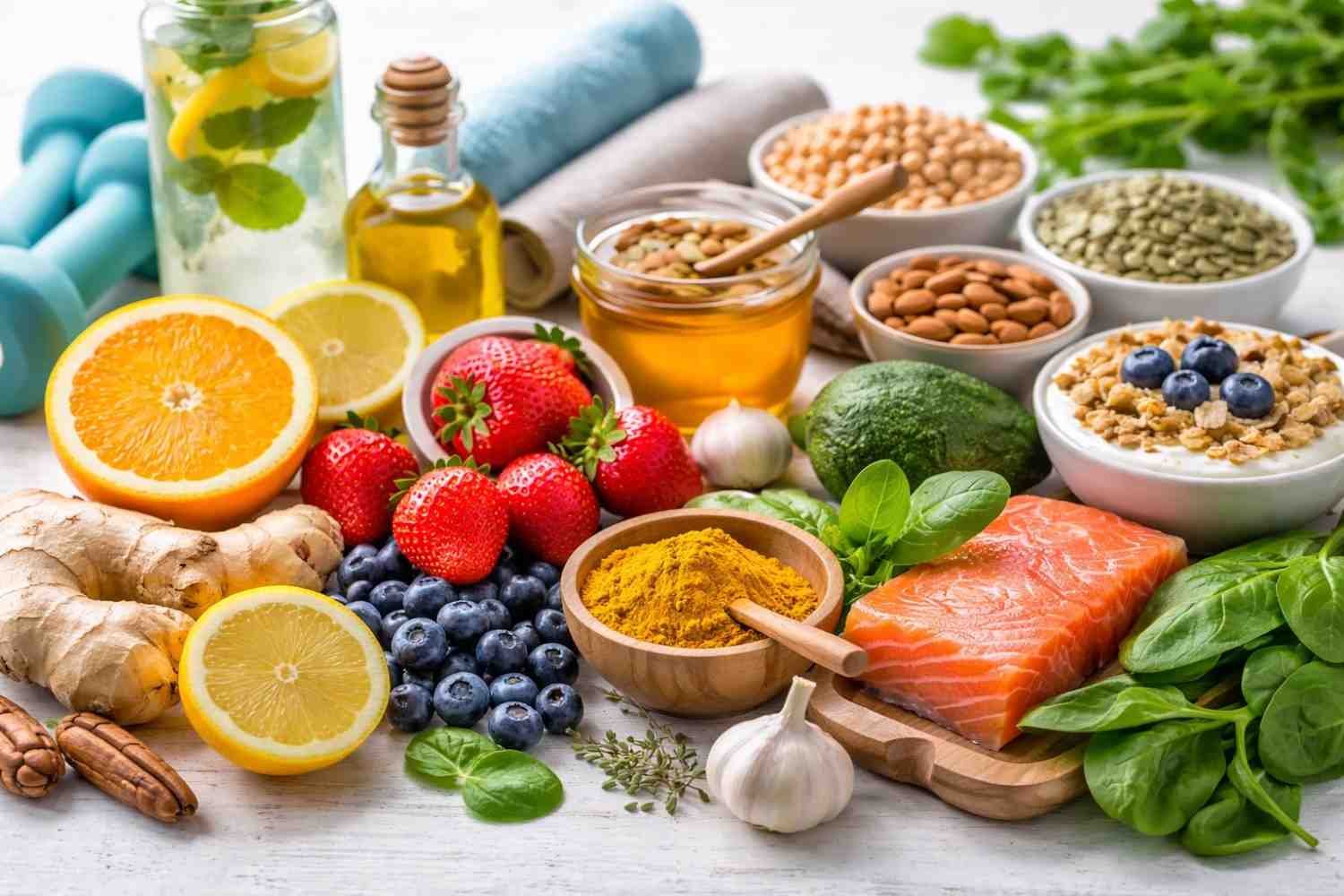
A nutrient-dense diet is the cornerstone of immune health. Certain vitamins, minerals, and antioxidants play a direct role in strengthening your immune system. Here’s what to focus on when learning how to boost immunity naturally with your diet.
Vitamin C:
Vitamin C supports the production of white blood cells, which help fight infections. Boost your intake with:
- Citrus fruits (oranges, grapefruits, lemons)
- Red bell peppers
- Strawberries
- Kiwis
Vitamin D:
Vitamin D helps regulate immune cell function. It’s especially important for immune health, particularly during the winter months when sunlight exposure is limited. Sources include:
- Fatty fish (salmon, mackerel)
- Egg yolks
- Morning sunlight (15–20 minutes)
Zinc:
Zinc is vital for immune cell development and function. Incorporate zinc-rich foods like:
- Shellfish (oysters, crab)
- Beans and lentils
- Pumpkin seeds and chickpeas
Antioxidants:
Antioxidants help reduce inflammation and free radicals that can damage cells. Include these powerhouse foods in your diet:
- Turmeric (curcumin) and ginger for their anti-inflammatory properties.
- Berries, dark leafy greens, and green tea for their antioxidant benefits.
Gut Health:
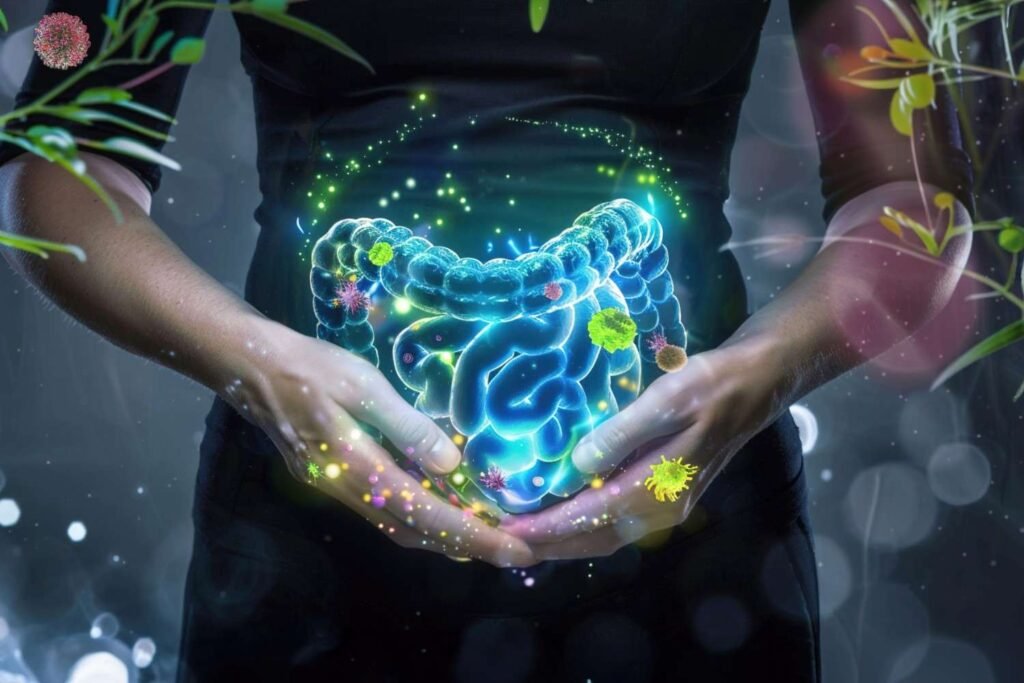
Since approximately 70-80% of your immune cells reside in your gut, supporting your gut health is essential. Eat probiotics found in:
- Yogurt and kefir
- Fermented vegetables (kimchi, sauerkraut)
Limit Inflammatory Foods:
Processed meats, refined sugars, and white flour can suppress immune responses. Try to minimize these and focus on whole, nutrient-dense foods instead.
2. Prioritize Sleep and Recovery
Sleep is your body’s natural time for immune repair. During deep sleep, your body produces cytokines, proteins that help fight off infections and regulate immune function. Here are some key sleep tips:
- Adults: Aim for 7–9 hours of quality sleep each night.
- Children: Depending on their age, kids need between 8–14 hours of sleep.
- Consistent Sleep Schedule: Go to bed and wake up at the same time daily to maintain your body’s circadian rhythm.
Sleep also plays a role in reducing stress, lowering inflammation, and allowing your immune system to function optimally. A good night’s sleep helps your body fight infections more effectively.
3. Move Your Body Regularly
Exercise is an essential component of immune health. Regular physical activity helps boost the circulation of immune cells throughout your body, improving your ability to fight infections.
- Moderate Exercise: Aim for 150 minutes of moderate-intensity exercise per week, such as brisk walking, cycling, or swimming. This helps your immune system function efficiently.
- Avoid Overtraining: Excessive exercise without proper recovery can temporarily weaken the immune system. Balance workouts with rest days to maintain immune strength.
Physical activity also reduces stress, improves sleep quality, and boosts mood, all of which contribute to a stronger immune system.
4. Manage Stress Effectively
Chronic stress can negatively impact your immune system by increasing cortisol levels, which suppress immune cell production. Effectively managing stress is key to maintaining a strong immune system.
Mindfulness Practices:
- Meditation and deep breathing exercises are effective ways to manage stress and support immune function.
- Yoga and tai chi help reduce stress and increase flexibility, providing both mental and physical benefits.
Social Connection:
Spending quality time with friends and family, and even laughing, can boost your immune response. Strong social connections help reduce stress and improve overall well-being.
5. Healthy Lifestyle Habits That Support Immunity

In addition to nutrition, sleep, exercise, and stress management, here are some other healthy habits to incorporate into your daily routine for how to boost immunity naturally.
- Stay Hydrated: Water is crucial for producing lymph, which carries immune cells throughout your body.
- Avoid Smoking: Quitting smoking significantly improves lung health and strengthens the immune system.
- Limit Alcohol: Excessive drinking can damage immune cells and disrupt the gut microbiome, weakening your immune defenses.
- Maintain Hygiene: Frequent hand washing and avoiding close contact with sick individuals are simple yet effective ways to prevent infections.
Frequently Asked Questions (FAQs)
1. What are the best foods to boost immunity?
To boost your immunity, focus on foods rich in vitamins C, D, and zinc, such as citrus fruits, fatty fish, and dark leafy greens. Don’t forget about antioxidant-rich foods like berries, turmeric, and ginger!
2. How can I strengthen my immune system during flu season?
During flu season, prioritize immune-boosting foods, maintain a consistent sleep schedule, and manage stress. Regular exercise and good hygiene also play key roles in keeping your immune system strong.
3. Does vitamin C really help with immunity?
Yes! Vitamin C supports the production of white blood cells, which are critical for fighting infections. Eating foods rich in vitamin C, such as citrus fruits and bell peppers, can help strengthen your immune system.
4. How long does it take to see results from boosting my immunity?
While it varies, many people experience improvements in their immune function within a few weeks of adopting healthier habits. Consistency is key—staying hydrated, eating a balanced diet, and getting regular exercise will support your immune system over time.
Start Boosting Your Immunity Naturally Today
Boosting your immunity naturally is all about making consistent, sustainable lifestyle changes. By focusing on nutrient-rich foods, getting enough sleep, exercising regularly, and managing stress, you can support your immune system and improve your overall health.
Start small, but stay consistent with these healthy habits, and you’ll see the difference in your immune strength.