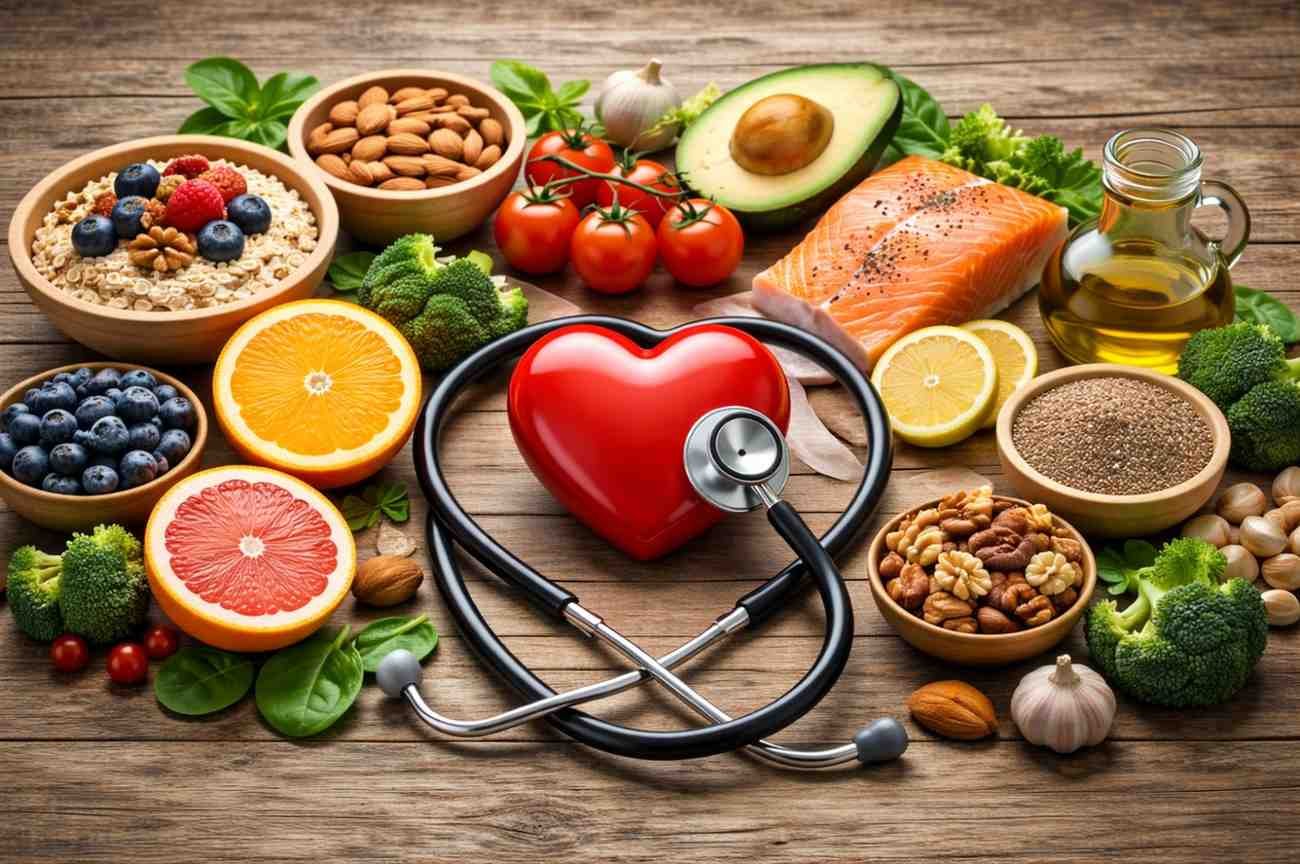
A healthy heart isn’t just about longevity—it’s about living with vitality. With heart disease still the leading cause of death in the United States, it’s crucial to take steps to protect this vital organ. The best part? Supporting your heart doesn’t require dramatic, hard-to-sustain changes.
By adopting a heart-healthy diet, you can lower your cholesterol, reduce your risk of heart disease, and keep your heart running strong for years to come.
In this blog, I’ll guide you through nutrition tips for heart health that are backed by research. These techniques can help you nourish your heart and create enduring habits for a healthier life, whether your goal is to reduce dangerous fats or enhance your everyday dietary habits. Let’s get started and see how simple it is to strengthen your heart with each bite!
Why Nutrition is Key for Heart Health?
The foods we eat directly impact the health of our heart. A poor diet can increase cholesterol levels, blood pressure, and inflammation, all of which contribute to the development of heart disease. On the other hand, a well-balanced diet rich in fiber, healthy fats, and essential nutrients can protect the heart, improve blood flow, and lower the risk of cardiovascular problems.
Maintaining a heart-healthy diet is a proven strategy to not only prevent heart disease but also manage and reverse it in some cases. Let’s look at the nutrition tips that will help you take charge of your heart health.
1. Focus on Healthy Fats
Fat is often misunderstood, but not all fats are bad for your heart. The key is to focus on the right fats that promote heart health and avoid unhealthy fats that can harm the cardiovascular system. These nutrition tips for heart health are simple but impactful when it comes to reducing LDL cholesterol and supporting overall heart function.
Healthy Fats to Include:
- Omega-3 Fatty Acids: Omega-3 Fatty Acids help reduce triglycerides and lower inflammation. Include fatty fish like salmon, mackerel, and sardines in your diet at least twice a week.
- Monounsaturated Fats: These fats help reduce LDL cholesterol (the “bad” cholesterol) and support overall heart function. You can find them in olive oil, avocados, and nuts like almonds and walnuts.
- Polyunsaturated Fats: Foods like flaxseeds, chia seeds, and sunflower seeds are excellent sources of polyunsaturated fats, including omega-6 fatty acids, which are essential for heart health.
Fats to Limit:
- Saturated Fats: Found in red meat, butter, and full-fat dairy products, saturated fats raise LDL cholesterol levels and increase the risk of heart disease.
- Trans Fats: These fats are found in many processed foods and baked goods. They increase harmful cholesterol and decrease good cholesterol levels.
2. Eat More Fruits and Vegetables
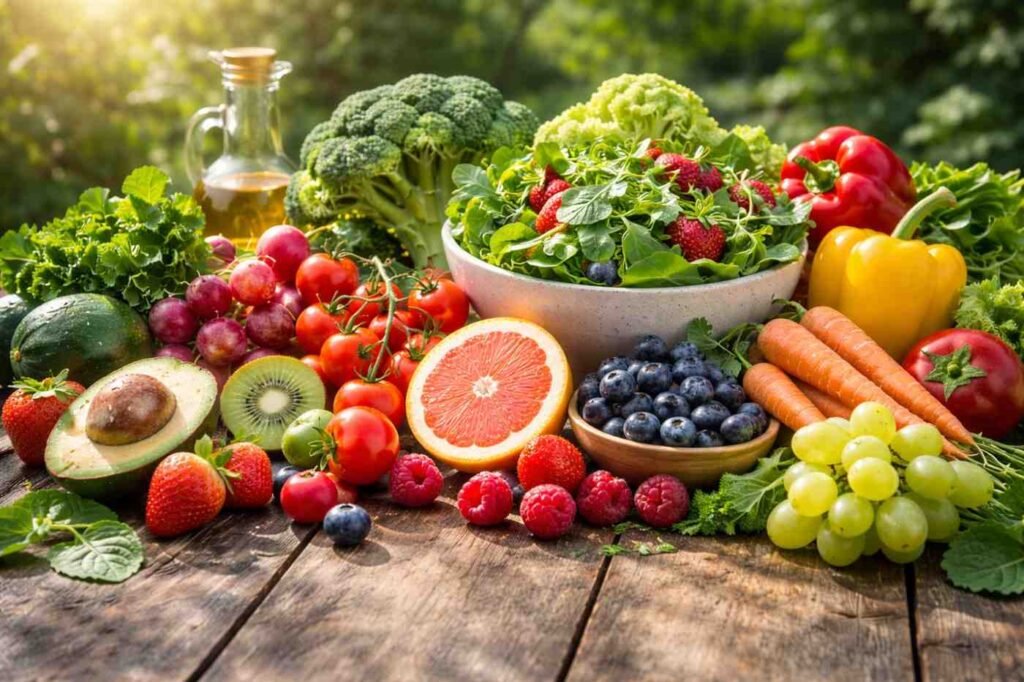
Fruits and vegetables are packed with fiber, potassium, and antioxidants, all of which are vital for heart health. They help maintain healthy blood pressure, lower cholesterol, and protect the blood vessels from damage caused by free radicals.
Heart-Healthy Fruits and Vegetables:
- Leafy Greens: Spinach, kale, and collard greens are rich in potassium and magnesium, which help lower blood pressure.
- Berries: Blueberries, strawberries, and raspberries are full of flavonoids, which are antioxidants that improve blood vessel function.
- Tomatoes: Rich in lycopene, an antioxidant that has been shown to reduce heart disease risk factors.
Aim for 5 servings of fruits and vegetables per day, and try to make your plate as colorful as possible to ensure you’re getting a variety of nutrients.
3. Prioritize Whole Grains Over Refined Grains
Refined grains, such as white bread, white rice, and many processed snacks, are stripped of their fiber and nutrients, making them less beneficial for heart health. Instead, choose whole grains that provide more fiber, vitamins, and minerals essential for heart function.
Best Whole Grains for Heart Health:
- Oats: Oats are rich in soluble fiber, which helps lower LDL cholesterol.
- Quinoa: This whole grain is high in fiber and protein, making it an excellent choice for heart health.
- Brown Rice and Whole-Wheat Pasta: These provide essential B-vitamins and iron, which are crucial for the healthy functioning of the cardiovascular system.
4. Limit Sodium and Added Sugar
Excess sodium and sugar can significantly increase your risk of high blood pressure and obesity, both of which are linked to heart disease.
Sodium Guidelines:
- Limit sodium intake to 2,300 mg per day (about 1 teaspoon), and aim for no more than 1,500 mg per day if you have high blood pressure or are at risk.
Sugar Guidelines:
- Avoid sugar-sweetened beverages and keep added sugars to less than 10% of your daily calories (ideally around 5%).
Instead of using salt to flavor your food, experiment with herbs and spices like garlic, oregano, and turmeric to enhance flavor naturally.
5. Drink Water and Stay Hydrated

Water is essential for overall health, including heart health. Staying hydrated helps maintain healthy blood circulation and ensures your cardiovascular system can function optimally.
- Drink 8 cups of water a day (more if you’re active or in hot weather).
- Limit sugary drinks like soda, and opt for water or unsweetened herbal teas instead.
6. Proven Dietary Patterns for Heart Health
In addition to individual foods, there are structured dietary patterns that have been shown to be particularly beneficial for heart health. Two popular diets recommended by cardiologists are the Mediterranean diet and the DASH diet.
Mediterranean Diet:
This diet focuses on plant-based foods, healthy fats (like olive oil), and moderate fish intake. Studies show that the Mediterranean diet is effective in reducing the risk of heart disease by improving cholesterol levels, blood pressure, and inflammation.
DASH Diet (Dietary Approaches to Stop Hypertension):
The DASH diet (Dietary Approaches to Stop Hypertension) is specifically designed to lower blood pressure and improve heart health. It emphasizes potassium, calcium, and magnesium-rich foods like leafy greens, fruits, and low-fat dairy, while strictly limiting sodium.
Frequently Asked Questions (FAQs)
1. What are the best foods to improve heart health?
The best foods for heart health include fruits, vegetables, whole grains, healthy fats (like olive oil and nuts), and lean proteins (such as fish and legumes).
2. How does a heart-healthy diet lower cholesterol?
A heart-healthy diet lowers cholesterol by increasing fiber intake, reducing saturated and trans fats, and adding more omega-3 fatty acids that lower triglycerides.
3. How much fat should I eat on a heart-healthy diet?
Aim for healthy fats to make up about 25–35% of your total daily calories, with a focus on unsaturated fats and omega-3s. Limit saturated fats to less than 10% of your daily intake.
4. What is the Mediterranean diet, and is it good for heart health?
The Mediterranean diet focuses on plant-based foods, healthy fats (like olive oil), and moderate fish intake. It’s highly recommended for heart health as it lowers inflammation and reduces cardiovascular risks.
Take Action for Heart Health Today
Maintaining a heart-healthy diet is one of the most powerful ways to reduce your risk of heart disease and improve cardiovascular health.
By following these nutrition tips for heart health, you can take control of your cardiovascular well-being and enjoy a healthier, more vibrant life. The best part? You can start making small, actionable changes today that will benefit your heart for years to come.