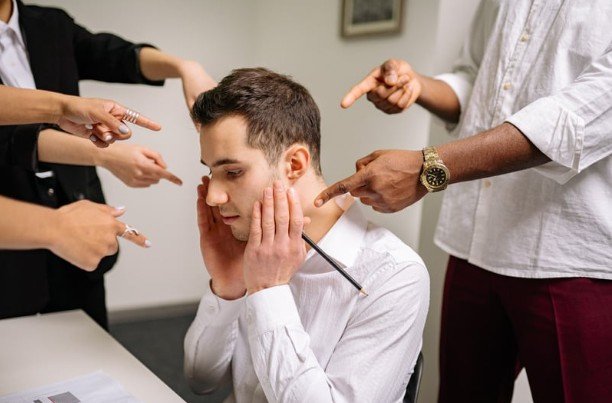
Workplace harassment creates an environment that affects employee well-being, morale, and professional performance. Employers and employees must recognize behaviors crossing legal boundaries to maintain safety and fairness. Individuals encountering harassment should act immediately and consult professionals to protect their legal rights.
In Colorado, laws clearly protect employees against harassment across all workplace settings and industries. Seeking guidance from experienced employment lawyers Colorado ensures that legal remedies remain accessible and enforced. Legal professionals evaluate claims carefully and guide individuals through complaint procedures. Awareness of specific actions helps maintain a respectful and safe work environment.
Verbal Abuse and Offensive Language
Harassment includes repeated verbal attacks that insult, belittle, or intimidate employees intentionally and persistently. Such language can undermine confidence and reduce workplace productivity. Offensive language, racial slurs, and inappropriate jokes create a hostile and uncomfortable environment.
Supervisors and coworkers issuing threats or insults influence employee confidence and mental well-being. Employers must address complaints involving offensive language to prevent escalation. Witnesses to verbal abuse should document incidents and report them to authorities. Legal consequences apply to repeated verbal harassment under Colorado labor regulations.
Unwanted Physical Contact or Intimidation

Physical harassment involves touching, blocking movement, or any behavior meant to intimidate employees directly. Even a single threatening gesture can generate fear among employees. Unwelcome gestures or threatening postures contribute to an environment that feels unsafe and oppressive.
Minor incidents, when repeated, qualify as harassment under Colorado law. Immediate reporting ensures employers can intervene and prevent further occurrences. Witness statements and documented evidence strengthen legal claims regarding physical intimidation. Employers must enforce policies preventing physical harassment to comply with workplace safety regulations.
Discriminatory Behavior or Biased Treatment
Harassment occurs when employees face unfair treatment based on legally protected characteristics. Biased actions often discourage employees from performing at full potential. Just as professionals must understand how to build a personal brand as a designer to grow confidently in their careers, employees must also recognize when exclusion, demotion, or biased evaluation based on gender, race, or disability crosses into workplace harassment.
Supervisors demonstrating favoritism or bias create an inequitable and unlawful environment in the workplace. Employees experiencing discrimination should record incidents and follow reporting procedures. Legal interventions often require detailed documentation of biased decisions and repeated unfair treatment. Awareness of specific discriminatory behaviors enables employees to respond confidently and appropriately.
Sexual Harassment and Inappropriate Conduct

Sexual harassment includes unwelcome advances, suggestive comments, or inappropriate gestures directed at employees intentionally. Such behavior can damage trust between colleagues and supervisors. Displaying offensive material, telling lewd jokes, or pursuing unwanted relationships creates a hostile workplace.
Employers must respond to sexual harassment promptly to comply with Colorado labor laws. Victims can report incidents confidentially to maintain safety while pursuing legal remedies. Documenting occurrences with dates, locations, and witnesses strengthens claims and increases protection. Maintaining professional boundaries prevents behaviors that could escalate into harassment claims.
Cyber or Visual Harassment
Harassment through digital channels includes offensive emails, messages, or social media content targeting employees. These incidents can affect employees outside of normal workplace hours. Sharing inappropriate images, threats, or repeated offensive communications qualifies as harassment legally. Employers are responsible for monitoring online conduct affecting employees within workplace boundaries.
Prompt reporting of cyber harassment allows corrective action and prevents further harm. Employees should preserve evidence electronically to support claims or investigations. Awareness of digital harassment ensures organizations uphold safe, respectful, and compliant workplace environments.
Employees experiencing workplace harassment in Colorado should seek guidance from legal professionals. Consulting experienced employment lawyers in Colorado ensures claims are handled accurately and rights are protected. Legal experts provide support, advice, and representation for pursuing complaints effectively. Taking prompt action with professional help reduces stress and prevents harassment from continuing. Employers addressing harassment while cooperating with legal guidance foster a safer and more respectful workplace environment.