There’s a moment every designer hits where the work is solid, the portfolio looks sharp, and yet something still feels off. People recognize the visuals, but they don’t fully trust the brand behind them. I’ve seen this gap show up again and again, especially with designers who rely heavily on aesthetics but haven’t translated their intent, values, or thinking into a cohesive brand experience.
In 2026, branding for designers has shifted in a noticeable way. Recognition alone doesn’t carry the weight it once did. Clients now look for consistency, clarity, and a sense that the designer behind the work understands more than just layout and color. Creative branding ideas for designers today need to function as living systems, ones that evolve, communicate purpose, and quietly build trust over time.
Branding in 2026 Is About Cohesion, Not Just Creativity
Designers are moving beyond static identities. A logo on its own doesn’t mean much unless it connects to a broader story and experience. The strongest brands now feel intentional across every touchpoint, from how a website loads to how a proposal reads in someone’s inbox.
What separates recognition from trust is cohesion. When personal mission, visual branding strategies, and brand messaging align, people start to believe in the designer, not just admire the work. This is where brand strategy for designers becomes essential. It forces clarity around why the brand exists, who it’s for, and how it consistently shows up.
Visual Branding Strategies That Quietly Build Familiarity
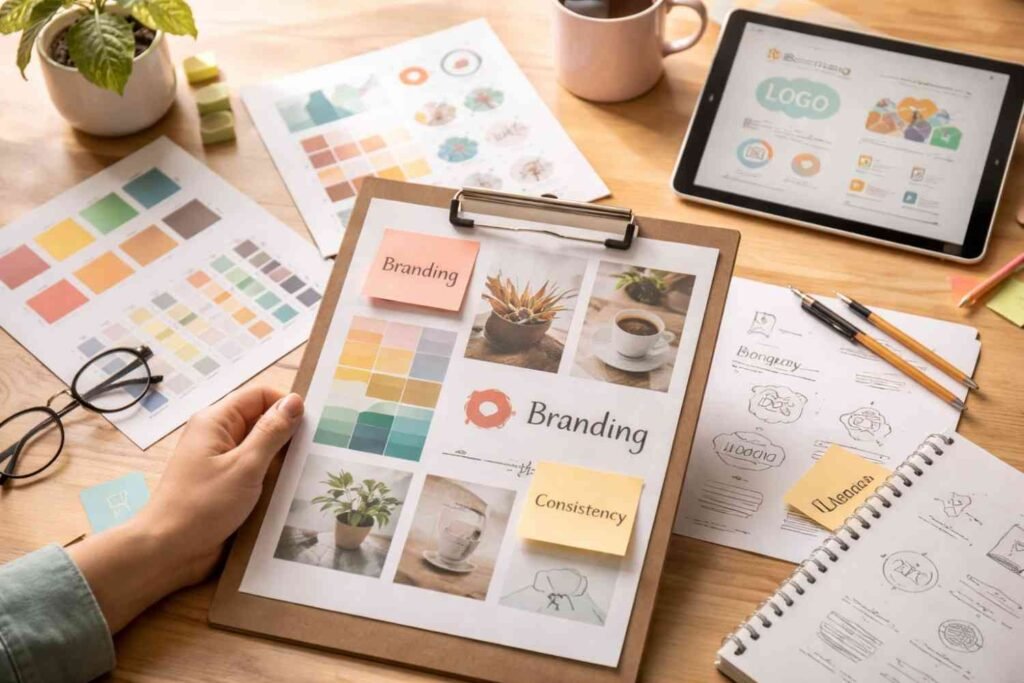
Visual identity still matters, but it works best when it’s treated as a system rather than a single asset. Designers who earn trust through branding think in patterns, not pieces. Repetition without rigidity is what makes a brand feel familiar rather than boring.
A few strategic visual branding ideas that are showing up more often in strong designer brands include:
- Shape and motif continuity, where a signature form from the logo subtly repeats across layouts, social graphics, or even physical materials.
- Typographic identity, using distinctive spacing or letterforms consistently enough that text alone becomes recognizable.
- Dynamic logo systems that adapt in layout or color while retaining a core structure, allowing flexibility without confusion.
These approaches work because they create recognition even when the logo isn’t present. Over time, that familiarity turns into trust.
Why Personal Branding for Designers Is Now Non-Negotiable
Clients don’t just hire a style, they hire a perspective. That’s why personal branding for designers has become inseparable from professional credibility. The most trusted designers position themselves clearly, often by reframing their role in the client’s story.
One approach that resonates strongly is the “guide” narrative. Instead of presenting yourself as the hero, the brand positions the client as the hero and the designer as the guide with a plan. This subtle shift in brand storytelling makes the relationship feel collaborative rather than transactional.
Niche authority also plays a role here. Designers who anchor their branding strategy around a specific industry, aesthetic, or cultural space often build trust faster because the positioning feels intentional, not generic. When paired with a consistent tone of voice that matches the visual identity, the brand feels human and believable.
Experiential Branding Turns Design into Something People Remember
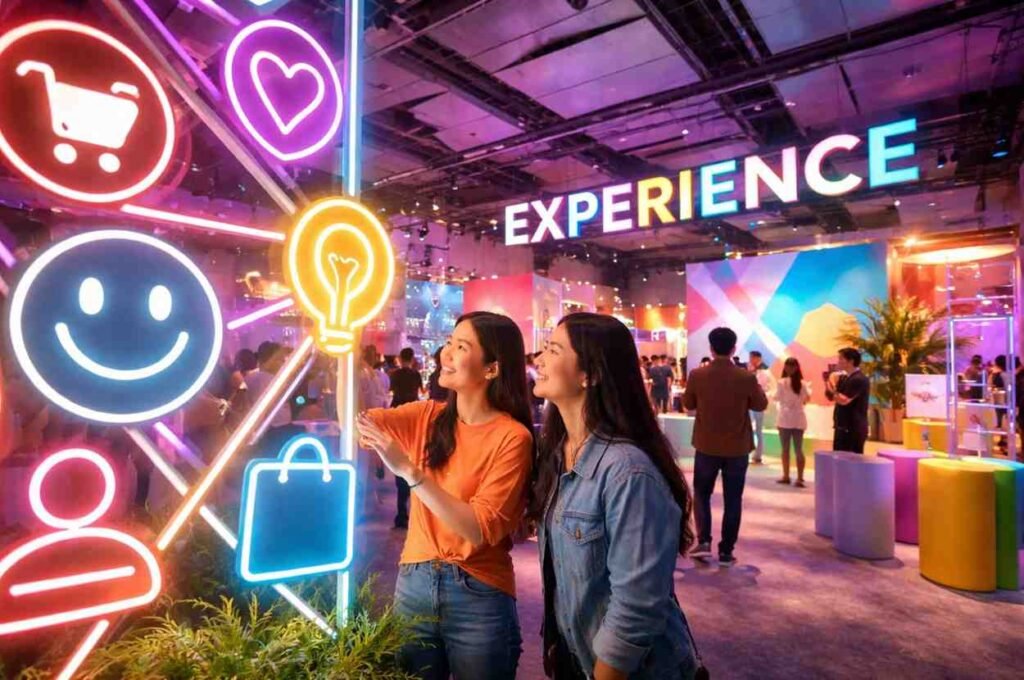
Trust deepens when branding feels tangible. Experiential branding ideas don’t have to be extravagant, but they should feel thoughtful. Physical and digital experiences both shape perception, especially in a world where most interactions happen online first.
Designers who treat their website as a live demonstration of their branding skills often stand out immediately. The UI, transitions, and copy all reinforce the same message. Offline, small details like unconventional business card formats or custom stationery can make the brand feel real instead of abstract.
A useful mental framework many designers lean on is the Three Cs test, making sure the brand remains clear about its purpose, consistent across platforms, and constant in visibility. When those three align, trust follows naturally.
Recognition Fades Without Consistency
One of the biggest gaps in competitor content is how rarely consistency is discussed beyond visuals. Brand recognition without consistency creates short-term attention, not long-term belief. Designers who revisit their branding strategy regularly, adjusting it as their work evolves, tend to maintain trust even as their style changes.
Living brand identities work because they evolve without losing their core. They adapt to new platforms, new audiences, and new creative phases while still feeling familiar. That balance is what keeps recognition from turning into confusion.
Frequently Asked Questions (FAQs)
1. How do creative branding ideas for designers differ in 2026?
In 2026, creative branding ideas for designers focus more on systems, storytelling, and experience rather than isolated visuals. The emphasis is on building trust through cohesion and clarity.
2. Why is personal branding important for designers now?
Personal branding helps designers communicate their values, thinking, and positioning. Clients trust designers who feel intentional and consistent in how they present themselves.
3. Can dynamic logos still build brand recognition?
Yes. When designed strategically, dynamic logos reinforce recognition by maintaining core elements while allowing flexibility across platforms and formats.
4. How does a branding strategy help designers attract better clients?
A clear branding strategy filters the audience naturally. It signals expertise, niche focus, and professionalism, which attracts clients aligned with the designer’s approach.
Final Thoughts
Creative branding ideas for designers aren’t about chasing trends or reinventing visuals every year. They’re about alignment between intention and execution, message and medium, recognition and trust. Designers who take the time to build living identities rooted in strategy often find that their brand starts working for them, even when they’re not actively promoting it.
When branding feels honest, consistent, and experience-led, trust becomes a natural byproduct rather than a marketing goal.