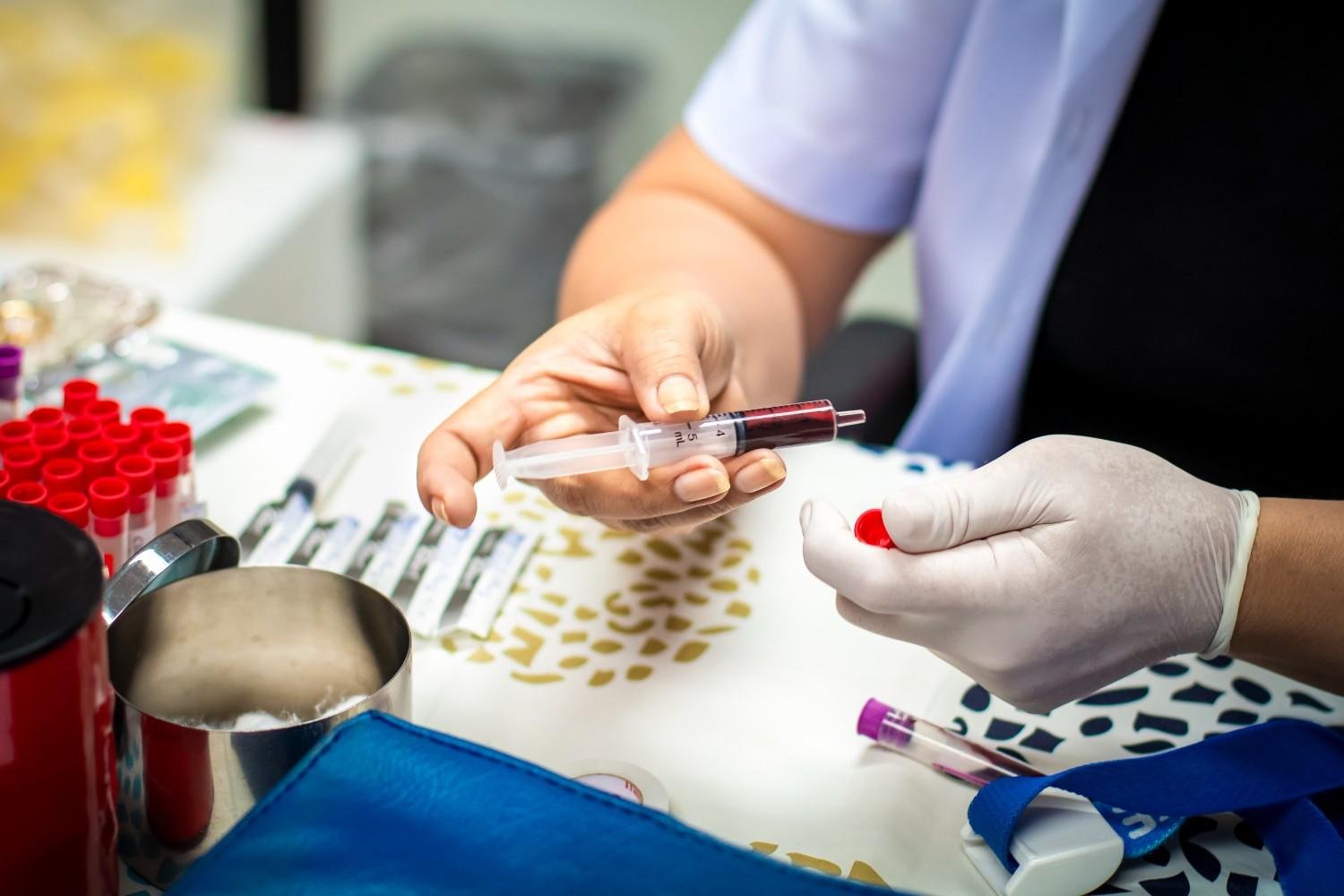
Taking control of your health isn’t just a good idea—it’s an investment in your future. In the U.S., heart disease, diabetes, and cancer remain the top causes of death, but the good news is, you can fight back with the right preventive measures. Preventive health checkups for adults are one of the most powerful tools you have to stay ahead of potential health issues. These checkups can help catch problems early, before they become serious, giving you the power to take charge of your health today.
I’ll go over the essential screenings and examinations you need at every stage of life in this comprehensive blog. Regular preventative health examinations are essential to leading an active, healthy life, regardless of age. Together, we can get your health back on track for many years to come!
Why Preventive Health Checkups for Adults Are Essential
Preventive health checkups are more than just routine visits to your doctor—they are an investment in your long-term well-being. By regularly monitoring your health, you can:
- Detect risk factors early (like high cholesterol, high blood pressure, and diabetes)
- Take proactive steps to prevent chronic conditions from developing
- Enjoy a longer, healthier life by reducing the risk of heart disease, stroke, cancer, and more
These checkups also allow your doctor to provide personalized advice and preventive treatments to address emerging health concerns before they become problematic.
1. The Importance of Regular Screenings
Preventive health checkups for adults include screenings for a range of conditions that can have serious consequences if left untreated. The earlier a problem is detected, the easier it is to manage and treat. These are some of the most important screenings to include in your checkup schedule:
Blood Pressure and Cholesterol Checks
- Why: High blood pressure and high cholesterol are major contributors to heart disease, the leading cause of death in the U.S.
- When: Blood pressure should be checked at every visit, while cholesterol should be tested every 4–6 years (or more often if you have a family history or other risk factors).
Blood Glucose Test (Diabetes Screening)
- Why: Screening for diabetes helps identify early signs of the condition before it becomes debilitating. With a blood glucose test, you can catch pre-diabetes and make lifestyle changes to avoid full-blown diabetes.
- When: Starting at age 35 and every 3 years afterward, especially for those with a family history of diabetes or overweight.
2. Age-Based Checkups for Adults

As we age, the risk of certain diseases and conditions increases. Regular preventive health checkups for adults are crucial at every stage of life. Here’s what you should know about screenings for each age group:
Ages 20-30: Every 2–3 Years
- General Health Checkup: Focus on maintaining a healthy weight, exercising regularly, and monitoring blood pressure and cholesterol.
- Key Screenings: Blood pressure, cholesterol, and diabetes screening based on risk factors.
Ages 30-50: Annually or Every 1-2 Years
- Regular Screenings: As risk factors for heart disease and diabetes increase, regular checkups become more important.
- Gender-Specific Screenings: Women should start mammograms and Pap smears (cervical cancer screenings), while men may begin prostate exams at age 45-50 if they have a family history.
Ages 50+: Annual Checkups Are Essential
- Increase Screening Frequency: The risk of chronic conditions like cancer, heart disease, and arthritis increases as we age. Annual screenings are recommended.
- Key Tests: Colonoscopies (for colorectal cancer), bone density tests (for osteoporosis), and skin cancer checks are essential.
3. Gender-Specific Screenings: What You Need to Know
Both men and women require preventive health checkups, but specific screenings are tailored to each gender. It’s important to stay on top of these screenings to detect gender-specific conditions early.
For Women:
- Pap Smear (Cervical Cancer): Women should start this screening at age 21 and continue every 3–5 years, depending on the results.
- Mammograms (Breast Cancer): Start at age 40, and continue annually or biennially, depending on your doctor’s recommendations.
- Bone Density Test (DEXA): For women 65 and older or those with risk factors for osteoporosis.
For Men:
- Prostate Cancer Screening (PSA Test): Discuss with your doctor around age 45-50, especially if you have a family history.
- Colon Cancer Screening: Begin at age 45 with colonoscopy or stool tests every 10 years.
4. Other Essential Screenings
In addition to the age-specific and gender-specific checkups, there are other essential tests every adult should have to monitor their overall health.
Immunizations:
- Annual Flu Vaccine: Protect yourself from the flu each year.
- COVID-19 Booster: Stay up-to-date with the latest recommendations.
- Shingles Vaccine: Recommended for adults 50+.
Eye and Dental Exams:
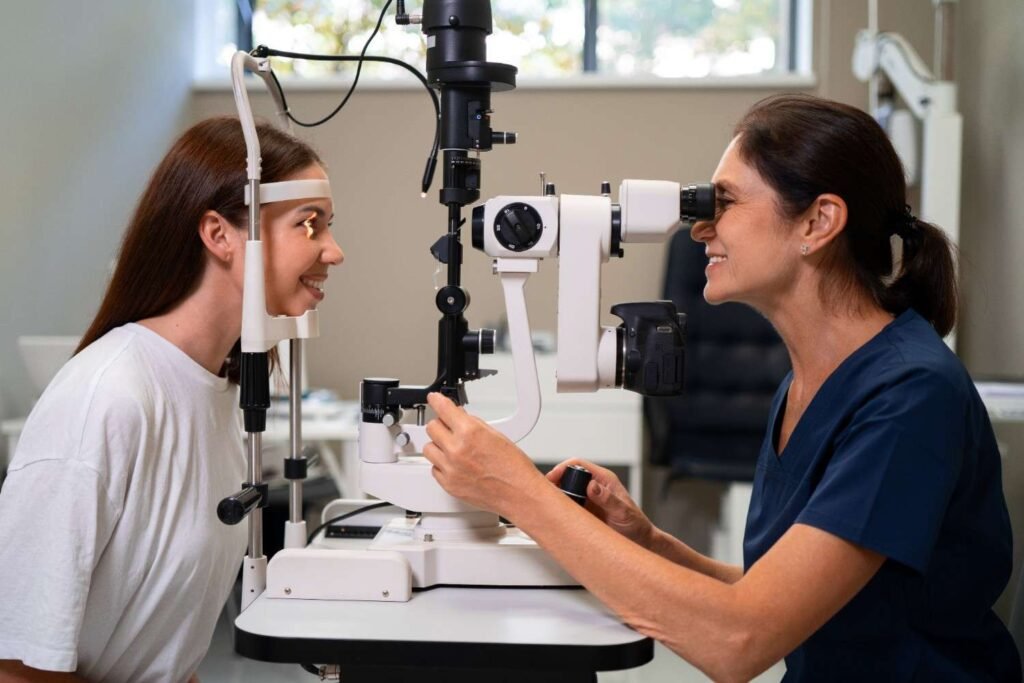
- Eye Exams: Check for glaucoma, cataracts, and vision changes every 1-2 years.
- Dental Checkups: Annual visits are crucial for preventing cavities, gum disease, and maintaining overall oral health.
5. How to Prepare for Your Preventive Health Checkup
To get the most out of your preventive checkup, proper preparation is key:
- Fasting for Blood Tests: Some blood tests require 8-12 hours of fasting. Check with your doctor in advance to see if fasting is required.
- Write Down Your Symptoms: If you’ve noticed any unusual symptoms or changes in your body, be sure to mention them during your checkup.
- Bring Your Health History: Having a list of any medications, allergies, and family health history will help your doctor provide better care.
Frequently Asked Questions (FAQs)
1. How often should I have a health checkup?
Healthy adults should have a general checkup at least every 1-2 years, depending on age, risk factors, and doctor recommendations.
2. What tests should I have as an adult?
Common tests include blood pressure, cholesterol, blood glucose, cancer screenings, and eye and dental exams.
3. When should I start having preventive checkups?
It’s recommended to start preventive health checkups for adults in your 20s, with increased frequency as you age.
4. Are preventive checkups covered by insurance?
Most health plans cover basic preventive exams with no out-of-pocket costs, but additional tests and screenings may vary.
Take Charge of Your Health Today
Preventive health checkups are a crucial step in maintaining your well-being. By staying on top of screenings, maintaining a healthy lifestyle, and managing any emerging conditions, you can dramatically reduce your risk of serious diseases. Remember, prevention is always better than cure, so schedule your next checkup today and take the first step toward a healthier tomorrow.