In recent years, commercial artificial turf has become an increasingly popular option for businesses and public spaces seeking to enhance their outdoor environments.
This innovative surface solution offers a range of advantages over traditional natural grass, particularly in commercial settings where durability, maintenance, and cost efficiency are critical considerations. Understanding the benefits of commercial artificial turf helps organisations make informed decisions when selecting landscaping options.
Durability and Longevity
One of the primary benefits of commercial artificial turf is its remarkable durability. Unlike natural grass, which can become patchy or damaged due to heavy foot traffic and harsh weather conditions, artificial turf maintains its appearance and resilience over extended periods.
This makes it particularly suited for commercial areas such as sports facilities, playgrounds, and office premises where consistent use is expected.
Commercial artificial turf products are designed to withstand intensive use without significant wear and tear. The materials used are UV-resistant and engineered to retain their colour and structure despite prolonged exposure to sunlight and rain.
Consequently, businesses can rely on the turf to provide a consistently attractive and functional surface for years, minimising the need for repairs or replacement.
Low Maintenance Requirements
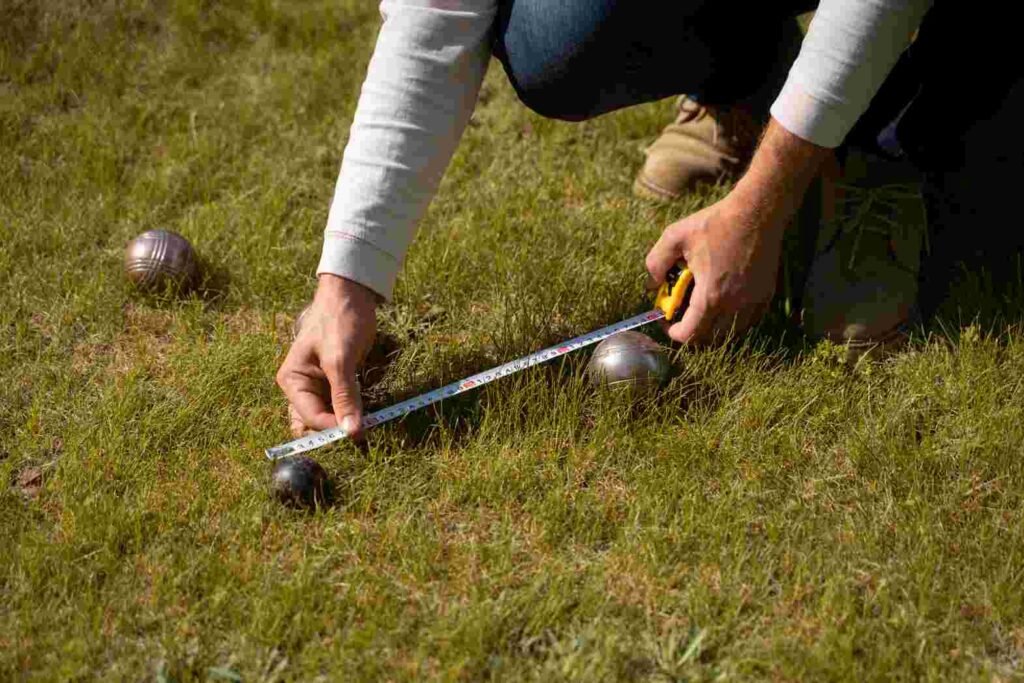
Maintenance is a major concern for any commercial landscaping project. Natural grass requires regular mowing, watering, fertilising, and pest control, all of which incur ongoing labour and material expenses. In contrast, commercial artificial turf dramatically reduces these maintenance demands.
It does not need watering, mowing, or chemical treatments, significantly lowering operational costs.
Routine maintenance of artificial turf primarily involves occasional cleaning to remove debris, leaves, and dust. In some cases, brushing the fibres helps maintain an upright appearance and prevents matting. These straightforward tasks can often be performed with minimal effort, freeing up resources and labour for other business priorities.
Cost-Effectiveness Over Time
Although the initial installation cost of commercial artificial turf can be higher than seeding or sodding natural grass, the long-term savings are considerable. Reduced irrigation bills, elimination of fertilisers and pesticides, and lower labour costs contribute to overall cost-effectiveness.
Commercial premises often benefit financially by investing in artificial turf because it avoids many of the recurring expenditures associated with natural lawns. Additionally, the longer usable lifespan of artificial turf means fewer replacement cycles, further improving return on investment.
For freelancers and small business owners, choosing low-maintenance solutions is one way to save time and control expenses. The same thinking applies to digital operations, using the right business tools every freelancer uses that can improve productivity and simplify daily work.
Water Conservation and Environmental Impact
Water scarcity is a growing concern worldwide, and businesses are increasingly expected to adopt sustainable practices. Artificial turf represents an environmentally responsible approach to landscaping by drastically reducing water consumption.
Unlike natural grass, it does not require irrigation, which can save thousands of litres of water annually, especially in commercial areas covering large expanses.
Furthermore, because artificial turf eliminates the need for chemical fertilisers and pesticides, it reduces the risk of harmful pollutants entering the surrounding soil and waterways. This aspect contributes positively to environmental health and aligns with corporate sustainability goals.
Versatility and Aesthetic Appeal
Commercial artificial turf is highly versatile and available in various textures, colours, and pile heights. This variety enables businesses to select turf that closely matches their desired aesthetic and functional requirements.
For example, different types may be chosen for sports fields, landscape decoration, playground safety surfaces or leisure areas.
The consistent green appearance of artificial turf enhances the visual appeal of commercial properties throughout the year, regardless of seasonal changes. This uniform look can improve first impressions of business locations and contribute to a welcoming atmosphere.
A clean, professional outdoor area can influence how visitors view a business before they even step inside. For companies focused on improving first impressions, better landscaping can work alongside strategies to attract new customers through a more appealing and trustworthy brand presence.
Enhanced Safety Features
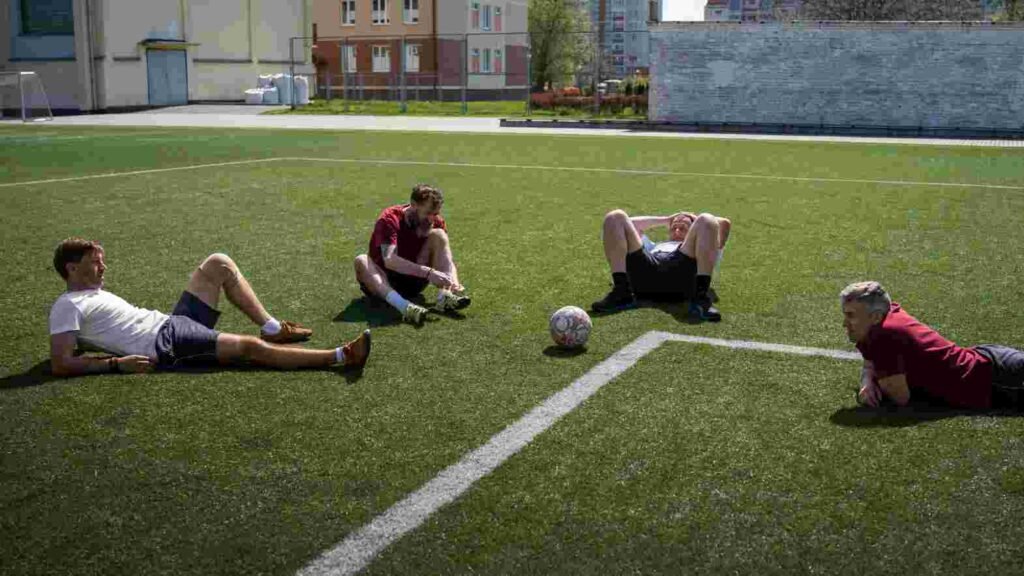
Many commercial artificial turf products include safety features that natural grass cannot provide consistently. For playgrounds and sports facilities, turf with integrated shock-absorbing layers offers better impact protection, reducing the risk of injuries.
Additionally, artificial turf is free from mud and uneven patches, which can cause slips or trips.
This safety benefit adds value to commercial sites where public access occurs frequently and stringent compliance with health and safety standards is required.
Resistance to Weather Conditions
Commercial environments often face diverse weather conditions. Rain, drought, snow, and extreme temperatures can all affect the quality and functionality of natural grass. Artificial turf provides reliable performance in all weather scenarios without becoming muddy, patchy, or bare.
This resistance ensures that commercial spaces remain attractive and usable throughout the year, enhancing customer and employee satisfaction.
Improved Accessibility
Some commercial properties face challenges with ground accessibility, especially in areas prone to mud or uneven terrain. Artificial turf creates a stable, level surface that is suitable for wheelchair users and individuals with mobility impairments, improving inclusivity.
This factor is particularly important in public parks, retail centres, and office precincts aiming to comply with accessibility regulations.
Quick Installation and Minimal Disruption
Installation of commercial artificial turf is typically faster and less disruptive compared to establishing a natural turf lawn. After site preparation, artificial turf can be laid within a few days, enabling businesses to minimise downtime and quickly benefit from enhanced outdoor spaces.
This expediency is especially beneficial when preparing venues for events, upgrading recreational facilities, or revamping commercial landscapes.
Consistent Playing Surface for Sports
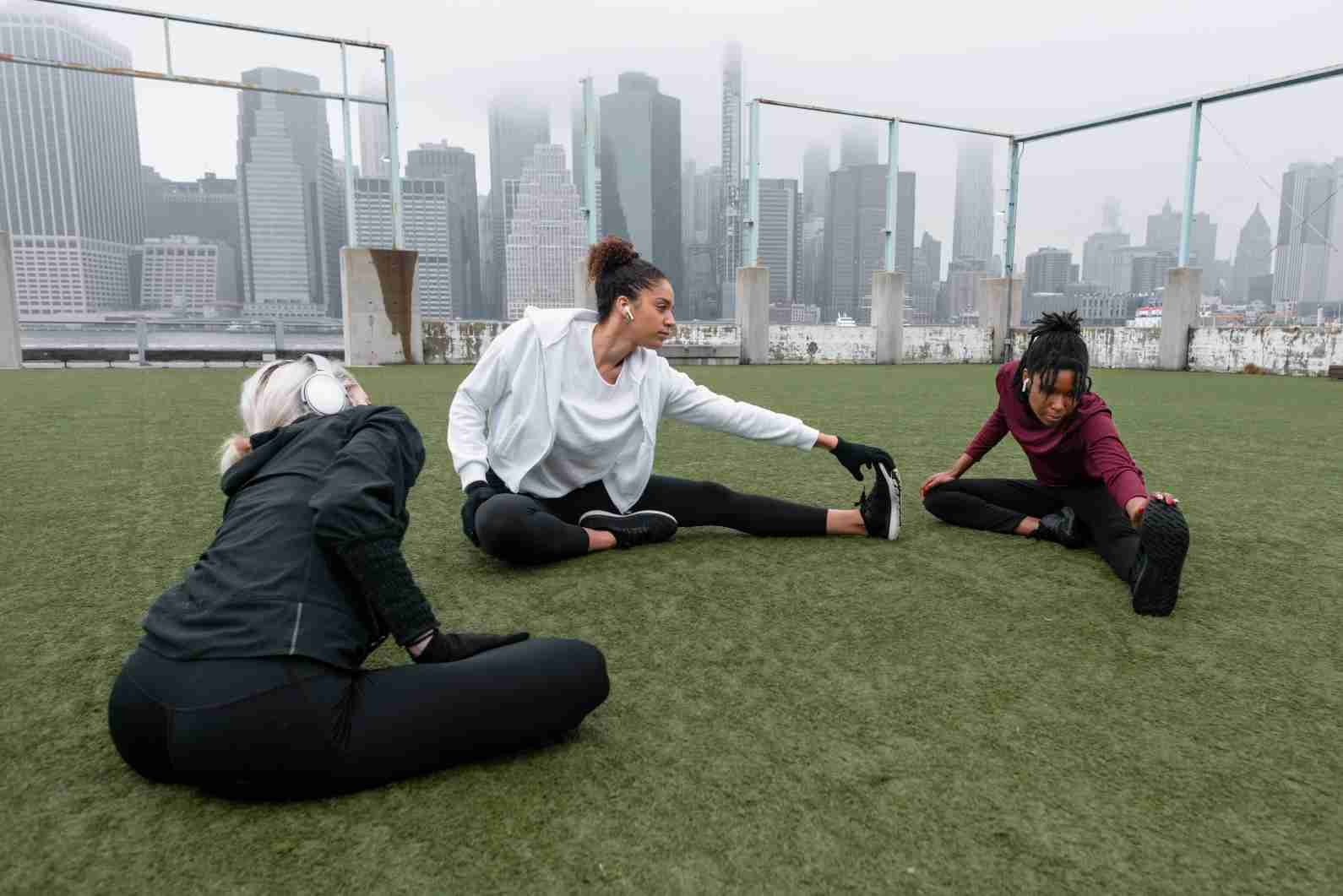
For commercial sports facilities, artificial turf offers a consistent and reliable playing surface. Unlike natural fields, it does not develop bare patches, divots, or uneven growth, which can affect player performance and safety.
Consequently, sports operators can provide athletes with high-standard playing conditions year-round, ensuring positive user experiences and reducing field maintenance interruptions.
Reduction in Pest Issues
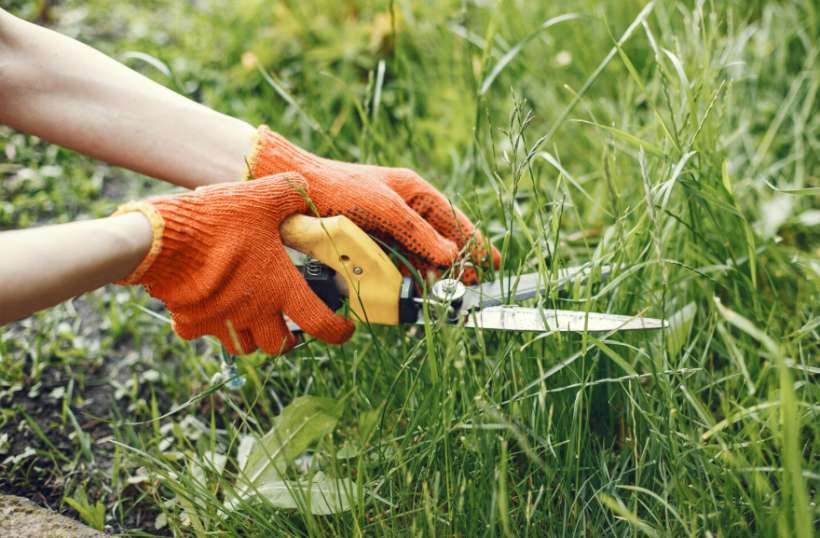
Natural grass can attract various pests including insects, rodents, and weeds that require management. Commercial artificial turf removes the habitat that supports many of these pests, reducing the incidence of infestations.
The diminished reliance on pesticides contributes to healthier environments for employees, customers, and visitors, as well as less chemical runoff.
Improved Drainage Capabilities
Modern artificial turf systems incorporate advanced drainage technology that prevents water pooling and flooding. This efficient drainage supports rapid water removal during heavy rainfall, maintaining surface usability and cleanliness.
Good drainage is essential for commercial sites where uninterrupted access and aesthetic appearance must be preserved despite weather challenges.
Adaptability to Various Commercial Applications
Commercial artificial turf finds applications in diverse sectors including retail centre landscaping, hospitality outdoor areas, educational institutions, recreational parks, and municipal projects.
Its adaptability makes it a favoured choice for a broad range of commercial uses where functional and attractive outdoor spaces are desired.
Choosing Quality Commercial Artificial Turf
To fully benefit from the advantages of artificial turf, it is crucial to select high-quality products tailored for commercial use. Products designed specifically for commercial purposes tend to offer enhanced durability, realistic appearance, and superior safety features compared to those made for residential use.
Businesses looking to invest in these solutions should explore reliable suppliers and consider professional installation services to ensure optimal performance and longevity.
For more information and options, visiting a specialised provider of commercial artificial turf is recommended. Such suppliers offer a variety of products designed to meet the demanding needs of commercial applications.
Conclusion
Commercial artificial turf presents numerous benefits including durability, low maintenance, cost savings, environmental sustainability, safety, and aesthetic consistency.
Its adaptability for multiple commercial environments makes it a valuable investment for businesses seeking to enhance outdoor spaces efficiently and effectively.
By selecting high-quality commercial artificial turf and partnering with experienced providers, organisations can secure a practical landscaping solution that delivers long-term value.