Rosé sparkling wine has become increasingly popular among wine enthusiasts and casual drinkers alike. Combining the visual appeal of rosé wines with the festive effervescence of sparkling varieties, this style offers a unique sensory experience. The production of rosé sparkling wine requires careful craftsmanship to balance delicate flavours, fine bubbles, and inviting colour.
The Origins and Growth of Rosé Sparkling Wine
The tradition of sparkling rosé dates back several centuries, with origins rooted in classic winemaking regions such as Champagne in France. Historically, rosé sparkling wine was a luxury product, reserved for special occasions and celebrations. Over time, the appeal and accessibility of rosé sparkling wine have broadened significantly, with many producers experimenting with different grape varieties and winemaking techniques to create diverse expressions.
Grape Varieties Used in Rosé Sparkling Wine
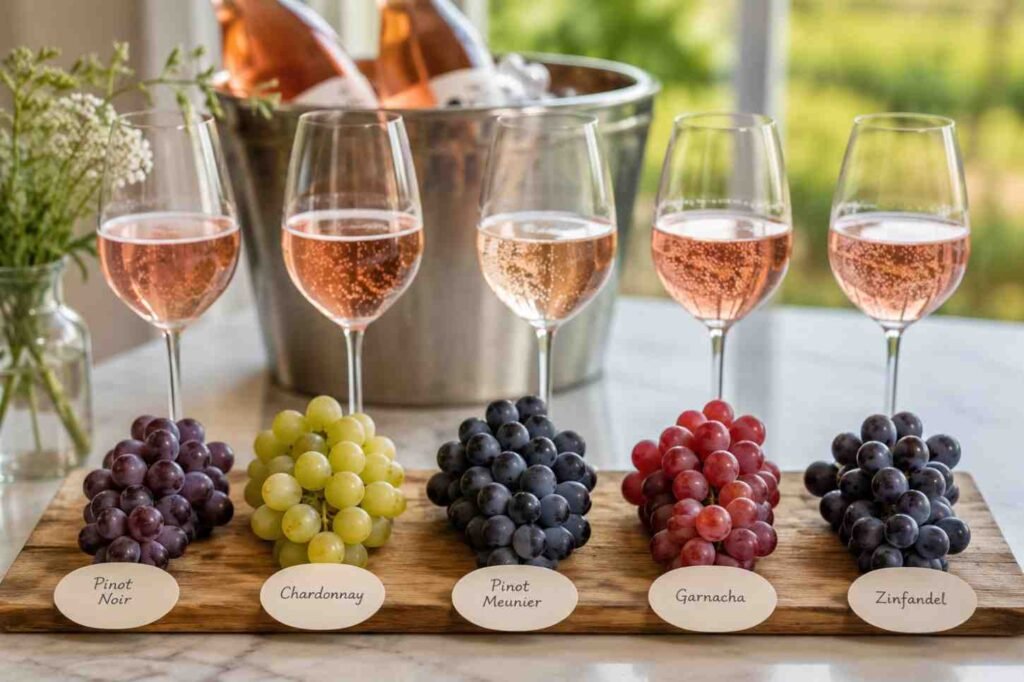
The character of rosé sparkling wine largely depends on the grape varieties employed. While Pinot Noir and Pinot Meunier are staples in many famous sparkling rosés, some producers blend in Chardonnay or use regional grapes to develop distinctive flavour profiles. The presence of red grapes imparts the signature pink hue and often contributes red fruit notes such as strawberry, raspberry, and cherry.
Colour and Style: What Defines a Rosé Sparkling Wine?
The visual allure of rosé sparkling wine is one of its hallmark features. The colour can range from pale salmon to a deep pink, influenced by the grape skins’ contact time during production. Pressing methods and blending choices also affect the final hue. While the colour is visually striking, the taste profile emphasises freshness, acidity, and fine bubbles rather than intense sweetness.
The Production Process of Rosé Sparkling Wine
There are several methods to produce rosé sparkling wine, but the most common are the blending method and the saignée method. The blending method involves adding a small proportion of red wine to white sparkling wine. This creates a controlled colour and flavour profile. The saignée method, on the other hand, consists of bleeding off juice after limited contact with red grape skins, naturally colouring the base wine before secondary fermentation.
Secondary fermentation is essential to the production of sparkling wines and usually takes place in the bottle, known as the traditional method. This process develops the characteristic bubbles and complex flavours associated with premium sparkling wines, including many rosé sparkling wines.
Region-Specific Styles and Variations

Different regions worldwide offer unique interpretations of rosé sparkling wine. For example, the Champagne region in France strictly regulates production methods and grape varieties, resulting in refined rosé sparkling wines with crisp acidity and nuanced flavours. Meanwhile, Australian producers have gained recognition for crafting vibrant, fruit-forward rosé sparkling wines, demonstrating the versatility of this style across climates.
Serving and Pairing Rosé Sparkling Wine
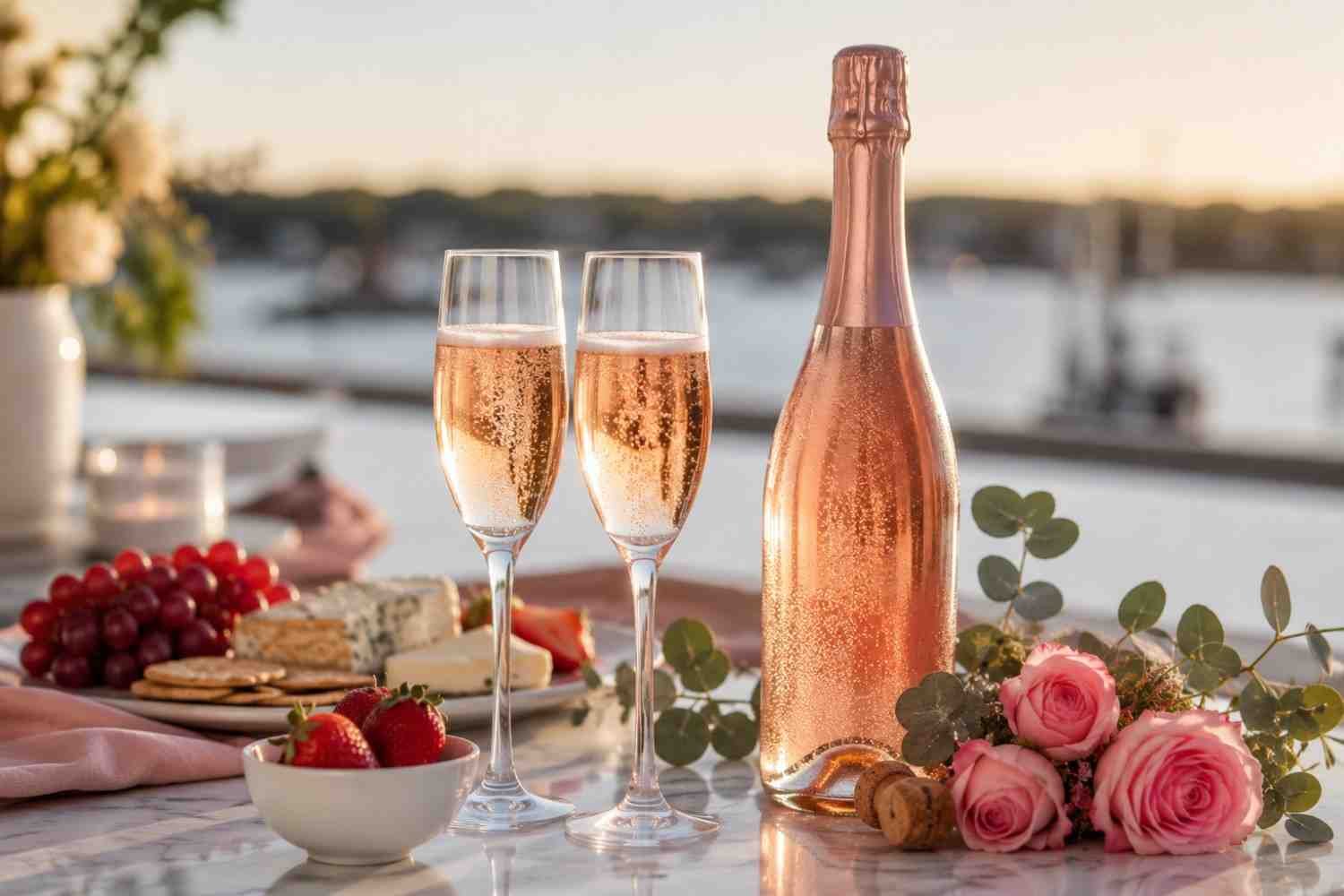
Rosé sparkling wine is versatile when it comes to serving temperature and food pairings. Typically served chilled at around 6-8 degrees Celsius, it is an excellent aperitif or accompaniment to a wide range of dishes. The vibrant acidity and red fruit flavours complement seafood, poultry, salads, and even certain desserts.
When selecting rosé sparkling wine for pairing, considering the dryness level is important. Brut and extra brut styles are popular choices for their balance and crispness, while off-dry versions offer a softer, fruitier profile that may pair well with slightly sweet dishes. This adaptability makes rosé sparkling wine an excellent option for both casual dining and formal occasions.
Rosé Sparkling Wine in the Market Today
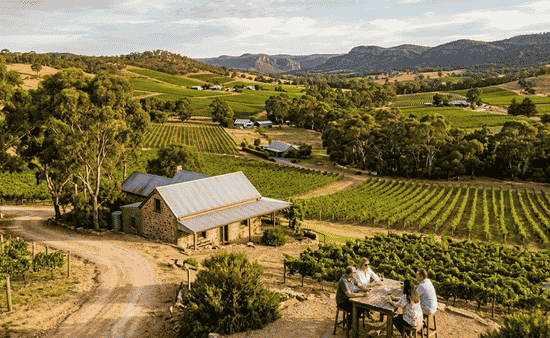
The demand for rose sparkling wine has expanded globally with producers meeting the growing consumer appetite for this elegant and approachable style. This trend encourages innovation in viticulture and winemaking. Factors such as sustainability, organic grape growing, and lower alcohol content are increasingly influencing production. Wine enthusiasts interested in exploring regional producers often seek out the best Eden Valley wineries for their distinctive cool-climate wines and premium sparkling offerings.
Major wine regions, including Tasmania, have capitalised on their cool climates to produce premium rosé sparkling wines. Tasmania’s sparkling rosés are noted for their purity of fruit, crisp acidity, and refined mousse, which appeal to both traditional and new sparkling wine consumers.
Storage and Shelf Life Considerations
Proper storage of rosé sparkling wine ensures the retention of its quality and effervescence. Like other sparkling wines, rosé benefits from cool, stable temperatures away from direct sunlight. It is best consumed within a few years of the vintage to appreciate its freshness, although some premium bottlings can age gracefully.
Rosé Sparkling Wine for Celebrations and Gifting
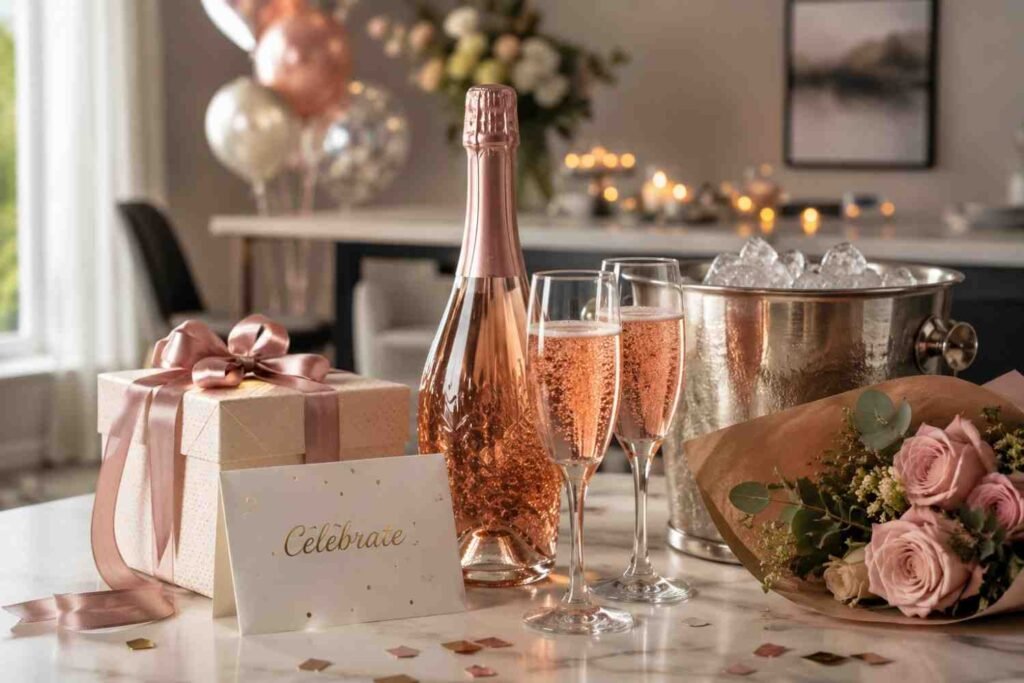
Its eye-catching colour and festive bubbles make rosé sparkling wine a popular choice for celebrations and gift-giving. The wine’s elegant appearance and vibrant taste profile can elevate events ranging from intimate dinners to large gatherings. Many wine retailers and producers offer specially packaged rosé sparkling wines targeted towards these occasions, highlighting the wine’s association with joy and sophistication.
Conclusion
Rosé sparkling wine offers a compelling combination of aesthetic appeal, flavour complexity, and versatility. From its historic roots in classic wine regions to the innovative styles emerging in new areas, this wine style continues to captivate consumers worldwide. Whether enjoyed as an aperitif, paired with food, or marked as part of a celebration, rosé sparkling wine embodies elegance and enjoyment.
With expanding availability and growing appreciation, exploring the world of rose sparkling wine presents an opportunity for wine lovers to discover a nuanced, sophisticated option that transcends standard wine categorisation.