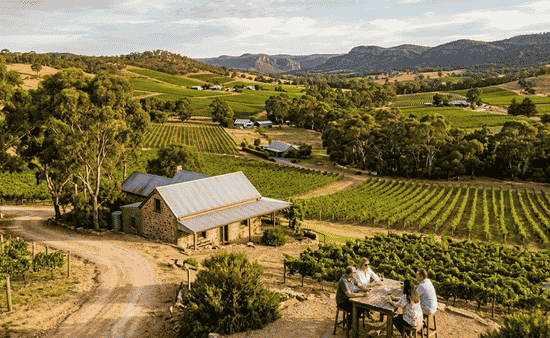
Pipers River, located in the northern region of Tasmania, Australia, is rapidly gaining acclaim for its burgeoning wine industry. Renowned for its cool climate and pristine natural environment, this region offers a distinct terroir that contributes to the character and complexity of its wines. Exploring the unique flavours of Pipers River wineries provides insight into how geography, climate, and skilled viticulture converge to produce exceptional wines.
Geographical Significance of Pipers River
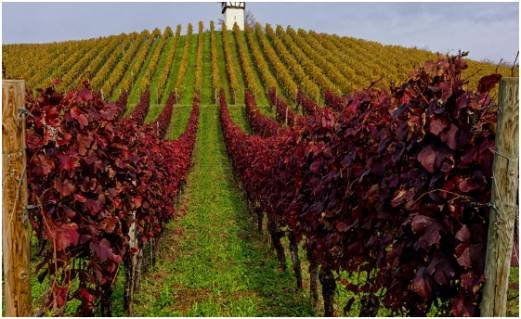
Situated near the Bass Strait and shielded by the Tamar Valley, Pipers River benefits from a maritime climate that influences grape growing conditions. The proximity to the sea introduces moderating temperature effects, reducing extremes and extending the growing season. This creates ideal conditions for cultivating varieties such as Pinot Noir, Chardonnay, and Riesling, which thrive in cooler environments.
The topography varies from rolling hills to flat river plains, contributing to soil diversity. Soils in Pipers River are typically composed of sandy loam with good drainage, promoting healthy vine growth and the development of concentrated grape flavours. This combination of climate and soil produces wines that are distinctively vibrant and structured.
Cool Climate Viticulture
The cool climate of Pipers River is a primary factor in its wine character. Cooler temperatures slow the ripening of grapes, allowing the gradual development of aromatic compounds and acidity balance. As a result, wines from this region often exhibit crisp acidity, refined tannins, and complex flavour profiles.
Pipers River wineries employ viticultural practices tailored to these conditions. Canopy management and careful harvesting schedules ensure optimal grape maturity. The focus on quality over quantity enables winemakers to highlight the region’s unique qualities through their wines.
Diverse Wine Varietals
While Pinot Noir and Chardonnay are emblematic of the region, the variety of wines produced at Pipers River wineries is wide. Riesling is notable for its vibrant citrus and floral notes, reflecting the cool climate’s influence. Other white varieties such as Sauvignon Blanc and Gewürztraminer also perform well, producing refreshing and aromatic styles.
On the red wine front, Pinot Noir demonstrates elegance with bright red fruit flavours and earthy undertones. Some wineries experiment with other grapes including Cabernet Franc and Merlot, creating blends that balance structure with finesse.
Exploration of Pipers River Wineries

Visitors to Pipers River wineries encounter a blend of traditional and modern winemaking techniques. The region is home to several acclaimed vineyards, each offering distinct expressions of the Pipers River terroir. These wineries focus on sustainable practices and often incorporate organic and biodynamic principles.
The pipers river wineries represent a community dedicated to excellence. Dalrymple Vineyards, for example, is esteemed for producing single-vineyard wines that showcase the nuances of individual sites. Through attentive vineyard management and innovative cellar techniques, these wineries maintain the integrity of the fruit and the regional character in their wines.
Wine Tasting and Tourism
Wine tourism in Pipers River offers an immersive experience for enthusiasts and professionals alike. Tasting sessions are carefully curated to feature the region’s diversity, often accompanied by food pairings that enhance the sensory experience. Many wineries provide tours of their vineyards and production facilities, offering educational insight into viticulture and winemaking processes.
Seasonal events and festivals further promote appreciation of Pipers River wines, drawing visitors from across Australia and abroad. These opportunities foster a deeper understanding of the region’s development and its place within the wider Australian wine landscape.
Impact of Climate Change
Like many wine regions globally, Pipers River wineries are addressing challenges posed by climate change. Increasing temperatures and altered rainfall patterns require adaptive strategies to preserve grape quality. Winemakers are exploring canopy adjustments, altered harvest times, and varietal selection to mitigate these effects.
Research and collaboration within the region are ongoing to ensure sustainability and resilience. These efforts aim to maintain the distinctive character of Pipers River wines while safeguarding the environmental health of the vineyards.
Economic and Cultural Contributions
The growth of Pipers River wineries has significant economic implications for the local community. The wineries contribute jobs, tourism revenue, and agricultural sustainability. The region’s reputation for quality wine supports emerging and established producers alike.
Culturally, the wine industry fosters community engagement and identity. Local events, tasting rooms, and cellar door experiences serve as hubs for social interaction and cultural exchange. The pride taken in producing wines that reflect Pipers River’s unique landscape enhances the sense of place and tradition.
Future Prospects for Pipers River Wineries
Looking forward, Pipers River wineries are poised for continued expansion and recognition. Investment in technology and vineyard research promises improvements in quality and efficiency. Furthermore, the global wine market’s increasing appreciation for cool climate wines may boost demand for Pipers River products.
Innovation in marketing and distribution, alongside commitment to sustainability, will underpin the region’s success. Collaborative initiatives among growers and winemakers strengthen these efforts, ensuring Pipers River remains a premier wine destination.
Conclusion
In summary, Pipers River wineries exemplify how terroir, climate, and expertise combine to create wines of exceptional character and quality. Good food, good wine always promotes good health, and nutrition affects creativity and productivity more than you think actually. The region’s cool climate viticulture results in vibrant, elegant wines that express their origin clearly. Visitors and connoisseurs alike benefit from exploring these wineries, experiencing the complexity and balance unique to Pipers River.
As the region continues to develop, sustaining environmental, creative market, and economic health will be essential. Through adaptive management and dedication to craftsmanship, Pipers River is positioned to maintain and enhance its reputation within the global wine industry.