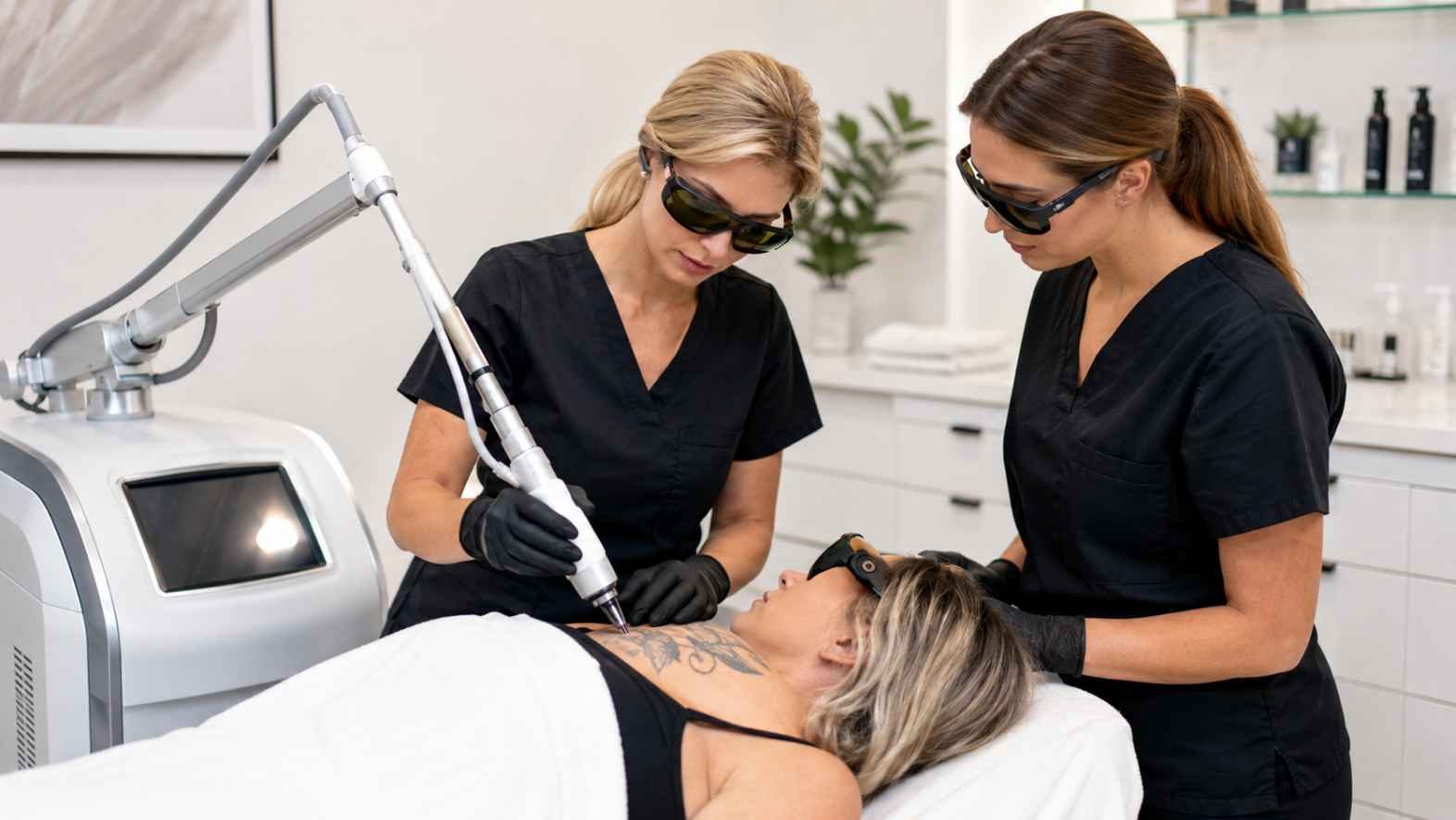
Tattoo removal has become a rapidly growing field within the cosmetic and medical industries due to increasing demand. As more individuals seek to erase or modify their body art, the need for qualified professionals trained in safe and effective tattoo removal methods has expanded significantly. This guide aims to provide a thorough overview of tattoo removal training, highlighting essential knowledge areas, technologies, and career considerations for those interested in entering this specialised field.
Understanding Tattoo Removal
Tattoo removal is the process of eliminating unwanted ink from the skin, typically using advanced laser technologies. The procedure involves breaking down the ink particles embedded in the dermis layer, which the body’s immune system subsequently removes. Effectiveness and safety depend largely on the practitioner’s understanding of laser types, skin types, ink colours, and potential complications.
It is crucial for professionals to have comprehensive knowledge of how different tattoo inks interact with various laser wavelengths. Improper treatment can result in scarring, pigmentation changes, or incomplete ink removal. Therefore, formalised tattoo removal training is essential for building competence and confidence in delivering optimal patient outcomes.
The Importance of Formalised Training
Given the complexities of tattoo removal, relying on self-teaching or informal experience is inadequate. Supervising bodies and professional standards increasingly mandate robust certification and training for practitioners. Training programmes cover anatomy, laser physics, skin assessment, patient consultation, and post-treatment care.
Structured training not only imparts technical skills but also ensures adherence to safety standards and legal regulations. It equips practitioners to evaluate patient suitability, anticipate risks, and manage possible adverse reactions effectively.
Core Components of Tattoo Removal Training
Comprehensive tattoo removal training generally includes several fundamental elements. These modules build a solid foundation required for competent practice:
1. Skin Anatomy and Physiology
An in-depth understanding of skin layers, pigmentation, and healing mechanisms underpins effective treatment planning. Knowledge of variations in skin type and reactions to laser exposure is crucial for minimising risks and tailoring approaches.
2. Tattoo Ink Chemistry
Tattoo inks consist of different pigments and compounds that respond variably to laser wavelengths. Training covers identification of ink colours, anticipated laser responses, and limitations in removing certain pigments.
3. Laser Physics and Technology
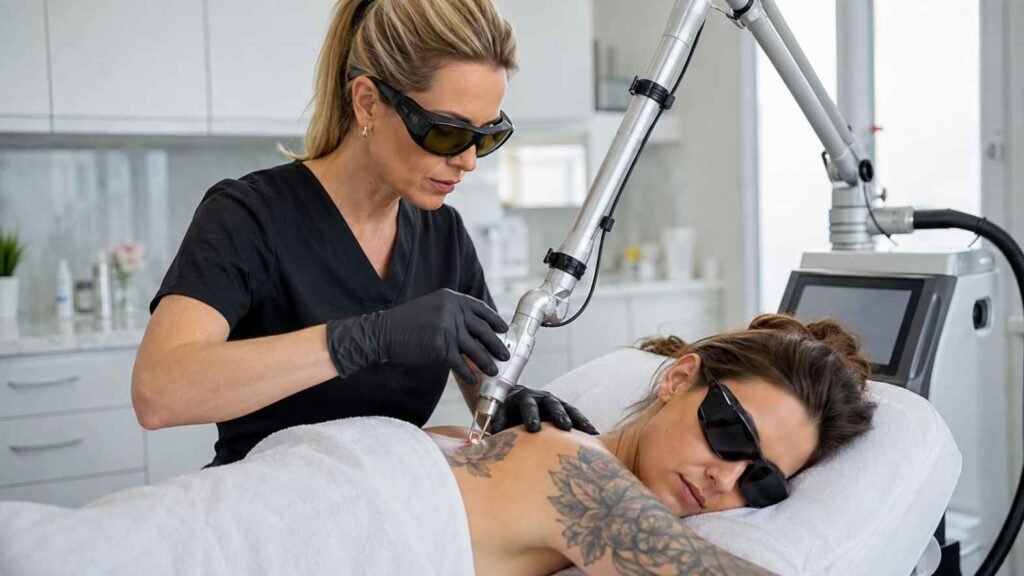
Practitioners must comprehend how lasers operate, the differences among Q-switched, picosecond, and other laser systems, and the appropriate settings for various tattoo characteristics. This technical expertise is integral to maximising effectiveness while ensuring patient safety.
4. Patient Assessment and Consultation
Successful tattoo removal begins with thorough evaluation of the individual’s medical history, skin type, tattoo details, and expectations. Training emphasises communication skills to guide patients realistically regarding outcomes, number of sessions, and potential side effects.
5. Treatment Protocols and Techniques
Various protocols exist depending on the laser type, tattoo age, and ink composition. Training provides hands-on experience in selecting and adjusting parameters, administering treatments, and managing pain control methods.
6. Post-Treatment Care and Complications Management
Aftercare is a vital phase to ensure proper healing and minimise adverse effects such as infections, scarring, or pigment changes. Practitioners are trained to advise patients on appropriate skincare and early recognition of complications requiring intervention.
Benefits of Accredited Tattoo Removal Training
Enrolling in accredited courses offers numerous advantages. These include validated certification recognised by industry bodies, access to expert instructors, and practical experience with advanced laser equipment. Certified practitioners often enjoy enhanced job prospects and credibility in client interactions.
Formal training also provides networking opportunities with peers and mentors, fostering professional development and staying current with technological advancements and regulatory changes within the field.
Industry Standards and Safety Regulations
Compliance with industry standards and local regulations is mandatory for all practitioners. Training programmes incorporate legal aspects, hygiene protocols, and safety measures to minimise risks for both practitioners and patients.
Understanding policies on informed consent, data protection, and documentation is further integral to maintaining ethical practice and protecting professional liability.
Technological Advancements in Tattoo Removal

Ongoing innovations in laser technology continue to improve tattoo removal efficacy and comfort. Picosecond lasers, for example, deliver ultra-short pulses that more effectively break down ink particles with less thermal damage to surrounding tissue.
Training curricula regularly update to encompass such technologies, ensuring that practitioners remain proficient with state-of-the-art equipment and techniques.
Career Opportunities After Training
Qualified tattoo removal specialists find career opportunities in dermatology clinics, cosmetic surgery centres, medical spas, and dedicated laser clinics. Some practitioners combine tattoo removal expertise with other aesthetic treatments such as skin rejuvenation or hair removal, broadening their service offerings.
Those interested in clinical research can contribute to developing improved techniques and understanding of tattoo removal mechanisms. Alternatively, experienced professionals may pursue roles in training and education.
Selecting the Right Training Programme
When choosing a training programme, prospective students should consider the institution’s reputation, accreditation status, curriculum comprehensiveness, and access to clinical practice opportunities. Reviews and testimonials can provide helpful insights into course quality and support services.
Courses that offer ongoing support and refresher modules also help practitioners maintain competence and adapt to evolving industry standards.
Conclusion
Professional tattoo removal requires a specialised skill set achievable only through dedicated training. Comprehensive tattoo removal training equips practitioners with essential knowledge and practical experience to deliver safe and effective treatments. With rising demand, investing in quality education can pave the way for fulfilling careers in this dynamic and expanding field.