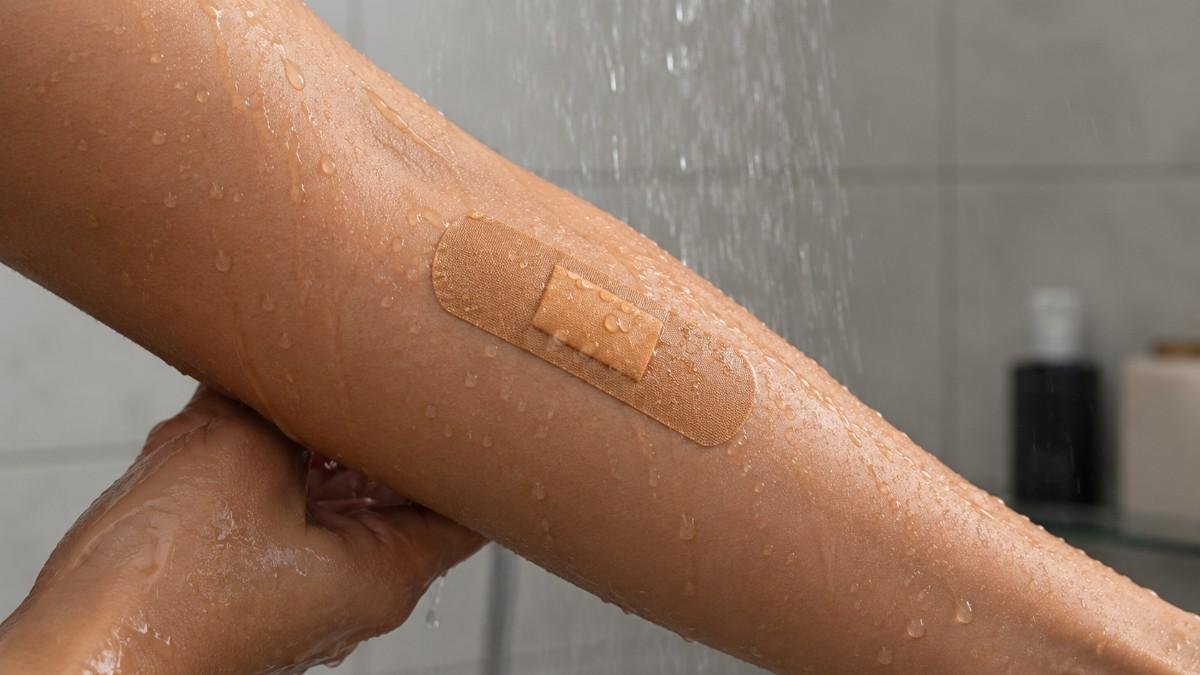
A waterproof bandage looks simple on the surface. In practice, it solves a much more specific problem: protecting vulnerable skin without turning recovery into a constant guessing game. Whether someone is managing a surgical incision, a fresh cut, a stitched wound, or a tattoo that still needs clean coverage, the real question is not just whether the dressing blocks water. It is whether it gives reliable, visible confidence that the seal is still intact.
That is where the category has evolved. A modern waterproof dressing is no longer only about repelling shower water for a few minutes. It is about preserving a controlled healing environment, reducing unnecessary disruption, and making it easier for people to live normally while they recover. For that reason, products from DrySee are part of a more thoughtful approach to wound care: protection you can see, not just protection you hope is working.
Why Water Resistance Alone Is Not the Full Story
Many people think about waterproof dressings in a narrow way: if it keeps water out, it works. That sounds reasonable, but it leaves out the most important variable in real life. Dressings are exposed to movement, friction, humidity, and repeated contact with water. A seal that seems fine at first can become compromised later, and the user may not know it.
That uncertainty matters because wound care is not just about the obvious moment in the shower. It is about what happens afterward. If moisture gets under the perimeter, the dressing may no longer be doing its job, and the person wearing it may not realize anything has changed. A strong waterproof dressing should do more than resist water; it should help the user monitor the integrity of the seal.
DrySee addresses that problem directly with a color-changing wetness indicator. When water reaches the liquid intrusion perimeter, the bandage shifts from white to blue. That visual signal is useful because it removes ambiguity. Instead of asking, “Did water get in?” the user has a clear answer.
The Hidden Cost of Uncertainty
Uncertainty creates avoidable behavior. People check the dressing too often. They change it too early. They worry unnecessarily. Or they leave it in place too long because it still looks acceptable from the outside.
A better system reduces all four of those problems. With DrySee, the user can see whether the seal has been compromised, which supports more disciplined decision-making. That matters especially after surgery, when stitch care and incision protection are already enough to manage without adding guesswork.
What Strong Waterproof Dressings Do Differently in Practice
A genuinely effective waterproof bandage has to balance protection, comfort, and clarity. If it is too rigid, it may lift or irritate the skin. If it is too flimsy, it may fail at the edges. If it blocks water but gives no feedback, it still leaves the user uncertain about whether the wound stayed dry.
Strong products do more than meet a basic barrier test. They support the actual routines people need to maintain: showering, swimming, daily movement, and recovery at home. They also help preserve a clean, secure environment around the wound without encouraging unnecessary handling.
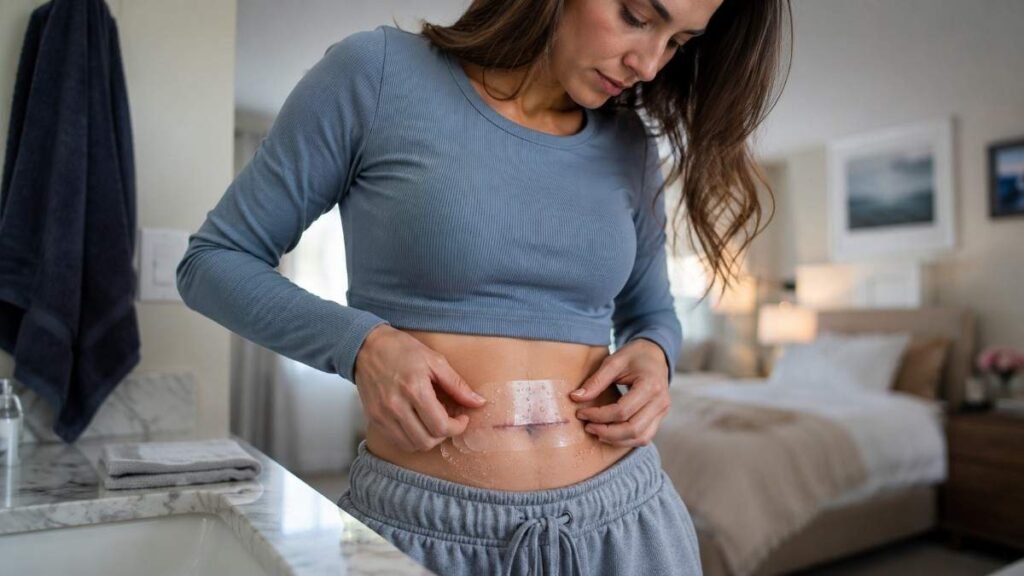
A practical waterproof dressing should offer:
- A secure seal around the perimeter
- A non-latex adhesive that is flexible and skin-conscious
- A non-stick absorbent pad that protects the wound site
- A visible indicator when wetness has breached the seal
- Enough size options to fit different wound types and recovery needs
DrySee is designed around those expectations. Its dressings use a non-latex adhesive and a non-stick absorbent pad with 100% USP Cotton cleaned without chlorine. That combination is not just a technical detail. It supports the broader goal of maintaining a stable dressing that is comfortable to wear and easier to trust.
When the Right Size Matters
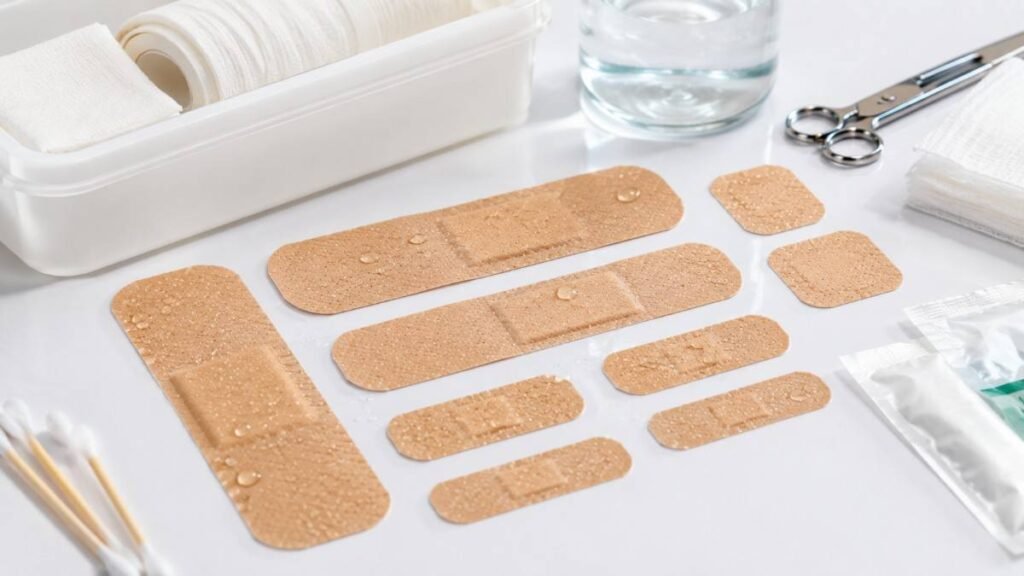
Size is not a cosmetic issue in wound protection. A small cut, a surgical incision, and a larger protected area all require different coverage. A 2×2 dressing serves a very different use case than a 5×10 pad dressing. If the dressing is undersized, the perimeter may not fully support the area that needs protection. If it is oversized, it may be awkward or less efficient for the task.
DrySee offers multiple sizes, including 2×2, 4×4, and 5×10 pad dressings. That matters because effective wound care is situational. The best waterproof bandage is the one that matches the wound, the stage of recovery, and the user’s daily activity.
Why Visible Wound Protection Changes the Recovery Experience
Recovery is not only physical. It is psychological. People feel better when they know what is happening with their wound and what action to take next. That is especially true when they are recovering from surgery or protecting stitches that cannot be disturbed.
A dressing that turns from white to blue gives the user more than information. It gives a decision point. That can reduce the mental load of recovery, which is often underestimated. Instead of reopening the dressing to inspect it, the user can check the indicator from the outside. That lowers the temptation to disturb the wound unnecessarily.
DrySee is well positioned here because its value is not limited to a technical feature. It is the reassurance that comes from having clear feedback. For many patients, that is the difference between feeling uncertain and feeling in control.
Better Feedback Means Less Interruption
Every unnecessary dressing change has a cost. It can introduce friction, slow down routines, and create stress around a wound that was otherwise stable. It may also increase the chance of disturbing the healing environment.
A visual indicator helps prevent that. If the bandage remains white, the dressing has not signaled intrusion. If it turns blue, the user knows it is time to act. That kind of clarity is especially useful during the first days after surgery, when people are trying to follow instructions carefully without overhandling the site.
Where a Waterproof Bandage Fits Best
Not every wound care scenario is identical, but some use cases make the need for dependable waterproof protection obvious. DrySee is designed for everyday consumers, medical professionals, surgical patients, and active people who need a dressing they can trust in motion and in water.
Common situations include:
- Showering while protecting stitches or an incision
- Swimming when the wound still needs coverage
- Recovering from surgery with reduced risk of accidental wetness
- Covering cuts and scrapes that should stay clean and protected
- Protecting tattoos during the early recovery period
These are situations where a waterproof bandage needs to work in a real-world environment, not just under ideal conditions. Water exposure is rarely the only challenge. So is movement, clothing friction, and the simple fact that people need to keep living their lives.
A product like DrySee matters because it meets that reality with a clear protection model. It is not trying to be everything. It is trying to do one important thing well: maintain a dry, protected wound environment and tell the user when that protection has changed.
One Product, Two Levels of Use
There is also a practical distinction between one-product use and combined-product use. Sometimes a single waterproof dressing is enough on its own for a small cut or incision. In other cases, users may need to combine products or choose a specific size based on the wound, the location, or the stage of recovery.
That is why flexibility matters. A good waterproof dressing line should support both simple, single-dressing needs and more nuanced wound care scenarios where sizing and coverage have to be matched carefully. DrySee’s range of sizes helps make that possible without forcing a one-size-fits-all approach.
Why DrySee’s Design Matters for Everyday Care and Clinical Confidence
There is a difference between making a product that technically functions and making one that is actually useful under pressure. DrySee has built its waterproof dressings around the practical needs of wound protection: a liquid intrusion perimeter, a visible color-changing wetness indicator, a flexible non-latex adhesive, and a non-stick absorbent pad.
That design is credible because it aligns with how recovery really happens. People are not only managing wounds; they are managing showers, schedules, sleep, movement, and anxiety. A bandage that shows compromise clearly is valuable because it reduces the burden of interpretation.
The fact that DrySee develops, manufactures, and packages its products in the USA also adds to its operational credibility. For many buyers, that signals consistency and attention to detail. More importantly, it reinforces the impression that this is a serious wound care company, not just a branding exercise.
If you want to learn more about the company and its approach, visit DrySee.
The Real Standard for Waterproof Wound Protection
The best way to evaluate a waterproof bandage is to ask a more practical question: does it help the user keep the wound protected without making recovery more complicated? If the answer is yes, the product is doing real work.
That standard favors dressings that are visibly reliable, easy to wear, and honest about compromise. It favors solutions that do not force the user to guess whether the seal still holds. It also favors brands like DrySee that treat wound care as a confidence problem as much as a coverage problem.
In the end, waterproof protection is not impressive because it sounds advanced. It is valuable because it makes recovery simpler, cleaner, and less stressful. A well-designed dressing protects the wound, signals when that protection changes, and lets the user move through the day with more certainty. That is what a modern waterproof bandage should deliver, and it is the standard DrySee is helping define.