A beautiful backyard is easy to admire. A functional backyard is easier to live in.
That difference matters. Many outdoor spaces look finished on the surface but fail in daily use. They may lack shade, drain poorly after heavy rain, feel awkward for entertaining, or offer no clear place for kids, pets, or quiet time. Professional landscape design solves those problems before they become expensive compromises. Done well, it turns a backyard into an outdoor system that supports real life.
For homeowners considering landscape design in Austin, the value is not just in plants and pavers. It is in the planning logic underneath them. Southern Landscape approaches that kind of work as a design-build process, which means the space is shaped with both aesthetics and performance in mind from the beginning.
Functional Design Starts With How the Yard Will Actually Be Used
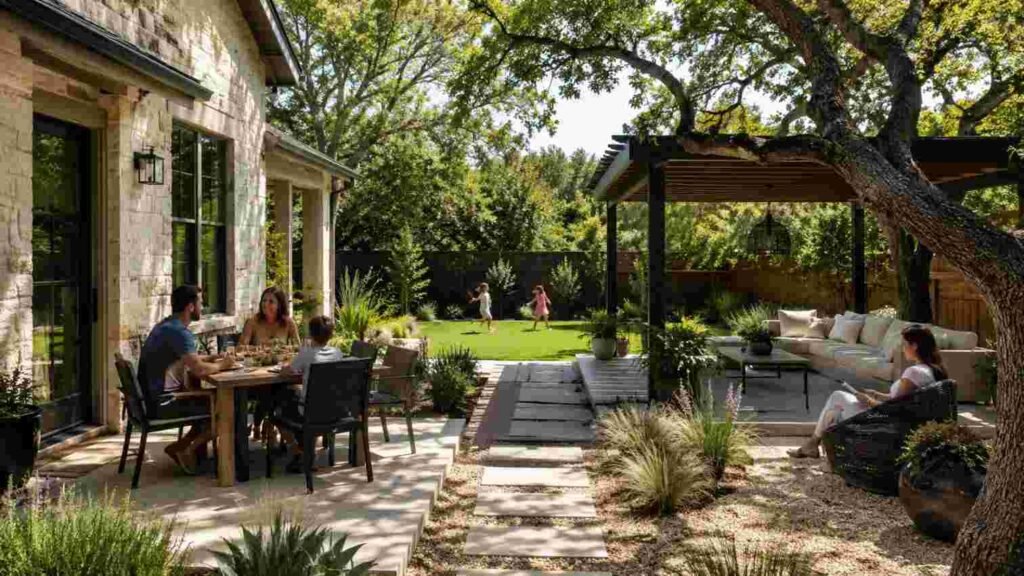
The most effective backyard plans begin with behavior, not decoration. A good designer asks how the space needs to work on ordinary days, not just how it should look in photos.
That question changes everything. A yard intended for family dinners needs different circulation, seating, and lighting than one built for low-maintenance solitude. A backyard that hosts guests needs durable surfaces and a sensible traffic flow. A yard used by children or dogs needs visibility, open movement, and materials that can take wear.
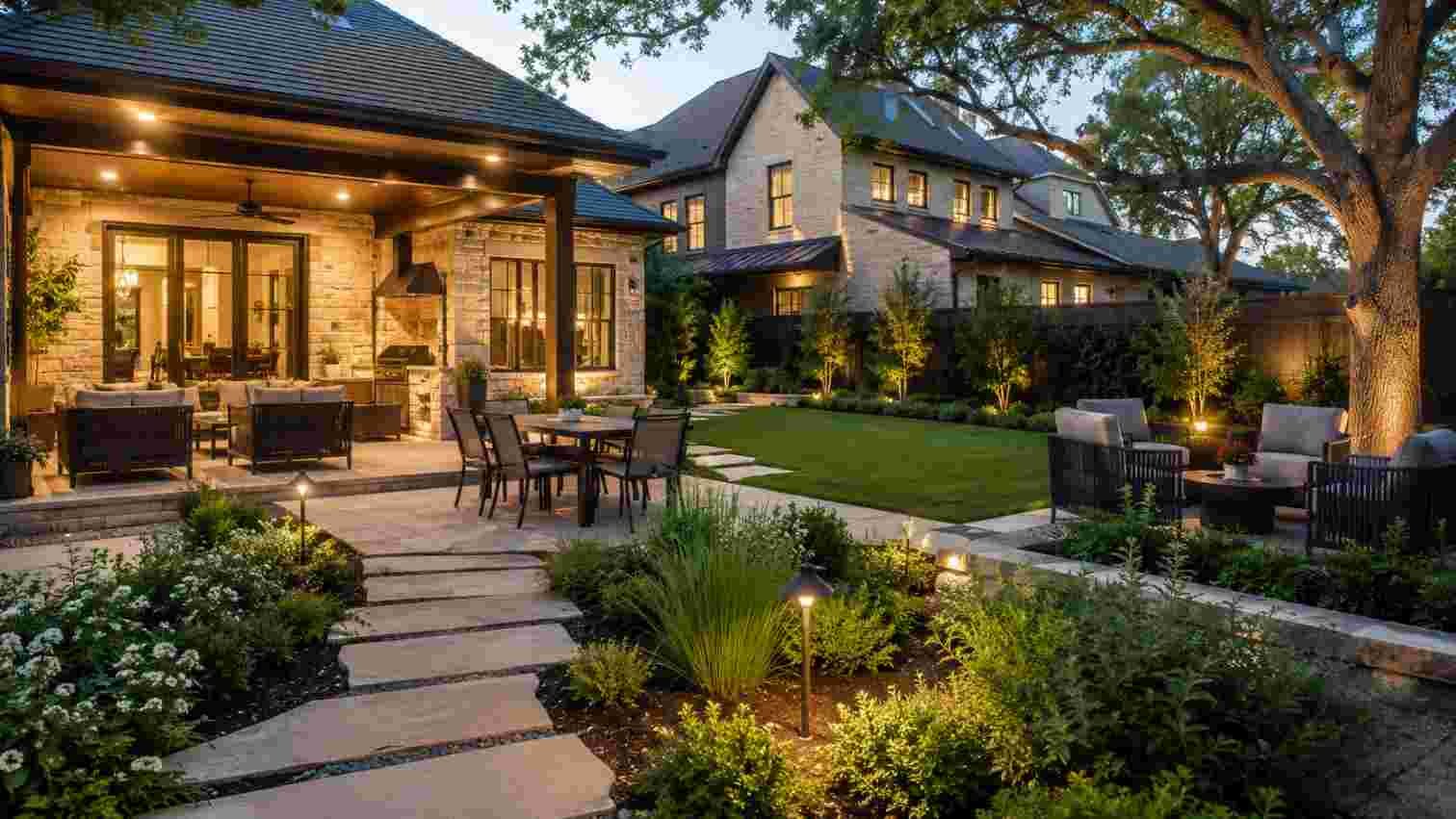
Professional landscape design turns those needs into a layout. Instead of scattering features randomly, it organizes the yard into zones that make sense together. That might mean a shaded lounge near the house, a dining area slightly farther out, and a quieter planting space beyond that. It can also mean keeping high-use areas close to the door so the space feels easy to access rather than disconnected.
Good Design Reduces Friction
A backyard becomes more functional when it removes small points of frustration. Steps that feel too steep, a grill placed too far from the kitchen, a patio that collects water, or a path that cuts through muddy ground all make the space harder to enjoy.
Southern Landscape often starts by identifying those friction points during site analysis. That process is practical, not decorative. It looks at slope, drainage, sun exposure, soil conditions, and how movement should work across the property. The result is a plan that feels intuitive when you use it every day.
The Real Work Happens Below the Surface
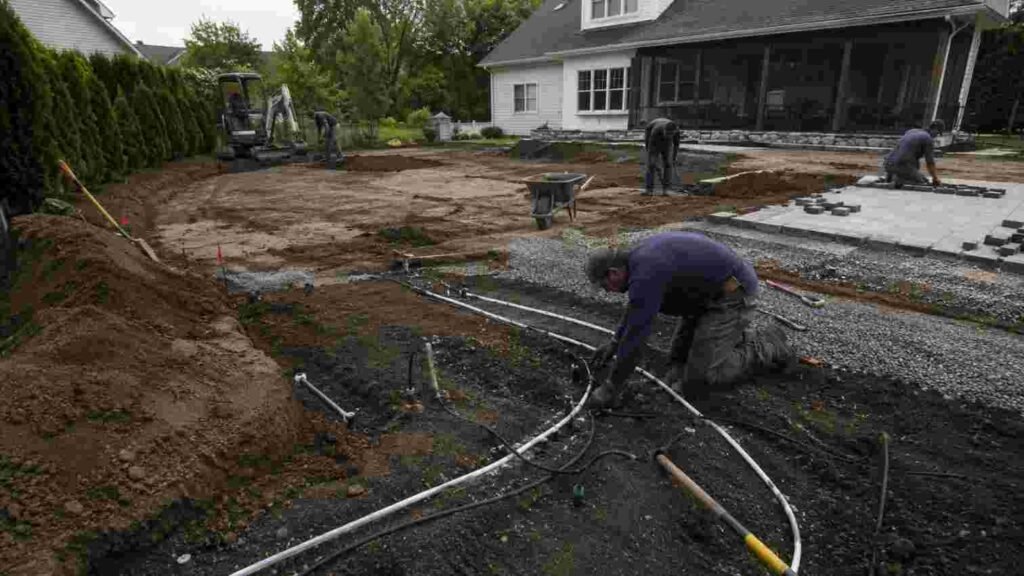
A backyard’s usefulness depends on more than the visible layout. Soil quality, drainage, and grading determine whether the design will hold up over time.
Landscaping projects built for harsh climates also require careful attention to these underlying conditions, particularly when weather extremes can affect soil, drainage, and plant health.
This is where many DIY or piecemeal projects fall short. A patio can be attractive and still fail if water pools beside it. A planting bed can be lush at installation and then struggle if the soil is compacted or poorly matched to the site. In Central Texas, those issues are even more important because heat, drought stress, and native soil conditions all affect performance.
Professional designers do not treat these as afterthoughts. They treat them as design fundamentals. That is one reason a firm like Southern Landscape can create outdoor spaces that are not only attractive but structurally more dependable.
A strong design process may include:
- Grading to encourage better drainage
- Soil preparation and amendments suited to the site
- Plant selection that matches sun, shade, and water conditions
- Irrigation planning that supports long-term survival
- Material choices that hold up under regular use
When these details are resolved early, the rest of the project becomes more resilient. The backyard is not just built to look complete on day one. It is built to function well after a season of storms, heat, and ordinary wear.
Why Central Texas Conditions Demand Smarter Planning
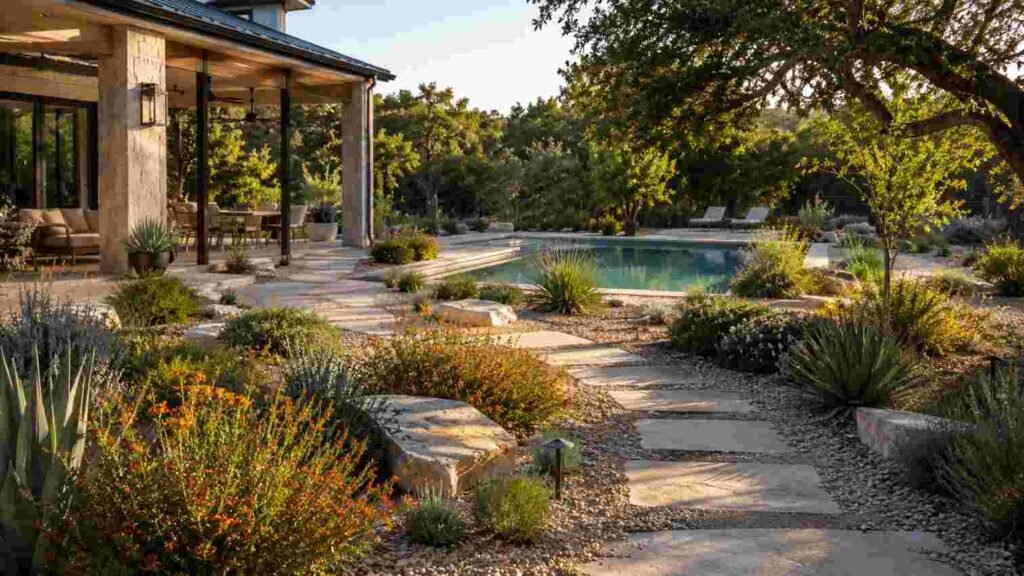
In Austin, a backyard has to do more than look good. It has to work with the climate.
Hot summers, periodic drought, unpredictable rain, and local water restrictions make conventional landscape habits less effective. That is why a thoughtful landscape design strategy for Austin needs local expertise, not just a standard outdoor template. Southern Landscape brings over 40 years of experience in the Austin area, which matters because local knowledge shapes the practical decisions that keep a yard usable.
A climate-aware plan may emphasize native or adapted plant species, xeriscaping principles, and smart irrigation. Those choices are not only about conservation. They also improve durability. A yard that is planted and irrigated for local conditions is easier to maintain and more likely to stay attractive across seasons.
Function and Sustainability Should Support Each Other
A common misconception is that a water-conscious yard must feel sparse or limited. In practice, the opposite is often true. The best professional plans make efficient design feel intentional, layered, and complete.
Southern Landscape’s approach supports that balance. Native plantings, deer-resistant choices where appropriate, and thoughtful water planning can create a backyard that feels designed rather than merely managed. When the layout, planting strategy, and irrigation system all work together, the yard becomes easier to use and easier to maintain.
Professional Design Makes Bigger Ideas Possible Without Forcing One Big Build
Not every homeowner wants to complete an entire backyard transformation at once. That is where master planning becomes strategically valuable.
A strong design can support phased implementation without losing coherence. This matters because many outdoor projects evolve over time. A homeowner may want the structure and circulation solved first, then add planting, lighting, or outdoor living features later.
Property management services can also help property owners coordinate ongoing maintenance and upkeep as their broader property needs change.
Without a master plan, phased work can feel disjointed. With one, each stage contributes to the same long-term vision.
Southern Landscape is well suited to that model because its process combines planning and installation under one team. That single-team accountability helps reduce the gap between concept and execution. It also means the design can account for budget, sequencing, and future expansion from the start.
A phased backyard plan may prioritize:
- Core grading and drainage
- Primary patios or walkways
- Key planting zones
- Irrigation infrastructure
- Future hardscaping or outdoor living additions
This approach gives homeowners flexibility without sacrificing quality. The backyard still feels designed, even if it is completed in stages.
What Strong Operators Look For Before They Build
The best landscape projects are not defined by one dramatic feature. They are defined by the quality of the decisions that come before construction.
A professional designer pays attention to how the yard will function at the edge cases: during a storm, when the ground is saturated, when guests arrive, or when maintenance needs to stay manageable. That mindset changes the outcome. Instead of producing a space that looks finished but behaves poorly, it produces an environment that feels useful in daily life.
Southern Landscape’s value is that it brings design judgment, local horticultural knowledge, and installation discipline into one process. That combination is especially useful in a region where soil, water, shade, and terrain all affect the result. It is not enough to choose attractive materials or good-looking plants. The whole system has to work together.
If the goal is a backyard that supports how you live, not just how it photographs, the design phase is where the real leverage lives. A backyard becomes more functional when every major decision answers the same question: does this space make daily use easier, more comfortable, and more durable over time?
That is the standard professional landscape design should meet. And it is the standard Southern Landscape is built to deliver.